Mustang: the forbidden Kingdom. There are few places on earth I can think of that are as mythical and as mythologized. Perversely, perhaps, or maybe not, this mythologization has dampened my desire to come here in the past, even though I have been aware that in many ways it would be a singularly appropriate journey for me. Sitting at the border of Nepal and Tibet, crowning route of the salt trade from Tibet into India for well over 1000 years, full of old monasteries and juniper groves and orchards of apples and apricots: you’d have to say this could easily be one of my places.
But about that forbidden thing. I am not actually drawn to go to places it is or even once was forbidden to visit. I assume that going there was forbidden for a good reason by the people who did the forbidding. Mustang has been open now for close to 30 years and some of its appeal for visitors—at least based on my reading—has been some sense of violating that pre-existing boundary. And really, that just has never called to me.
And yet, here I am. And unimaginably happy to be here. If not for the Buddhas and ancestors sticking a hand on my back and shoving forcefully, I am fairly sure I would not have come up here. Everything felt like it kind of conspired to make this visit a reality—grace again, or intuition, or just really good fortune? Anyway, here I am, a pilgrim in Mustang.
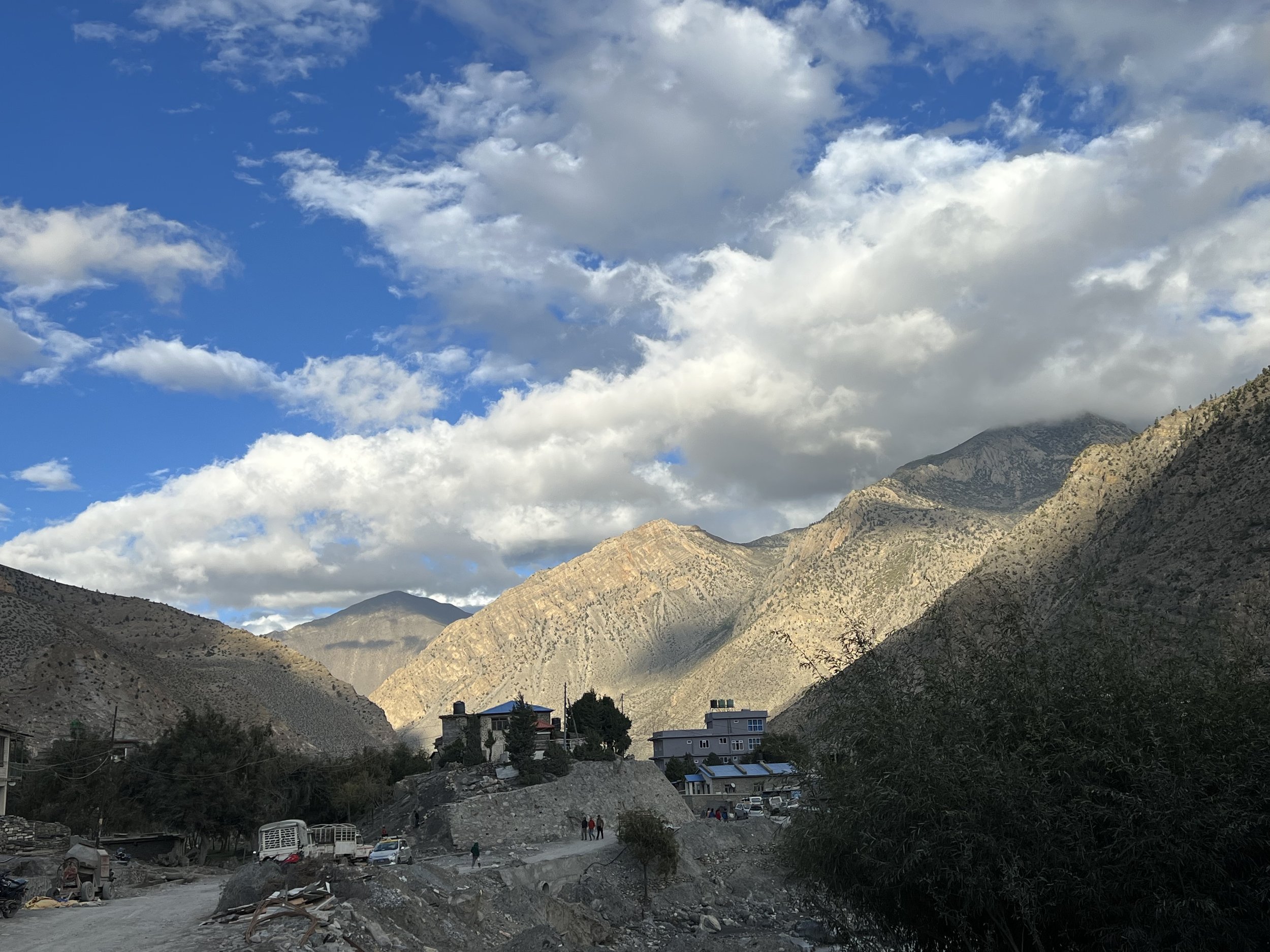
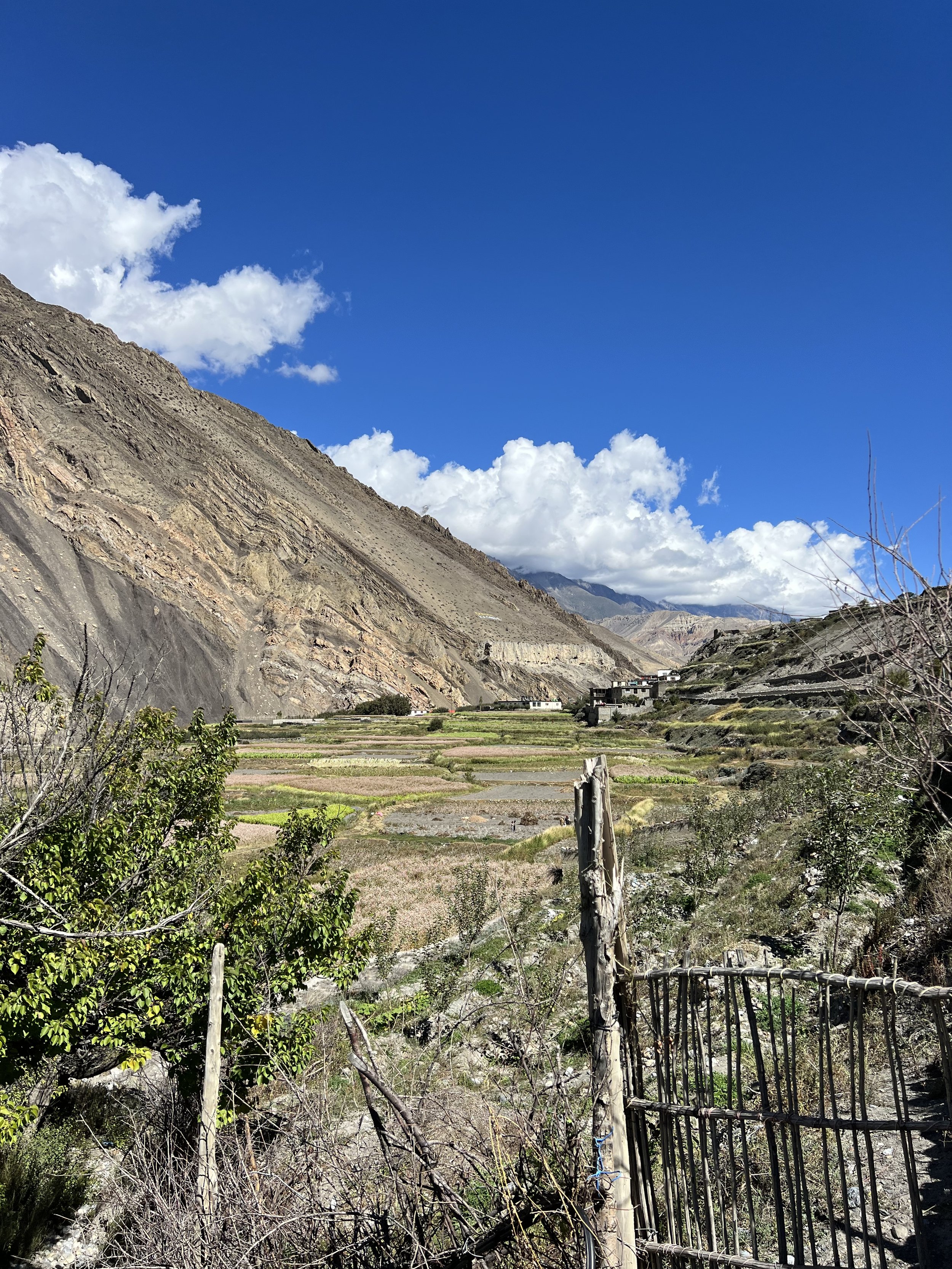
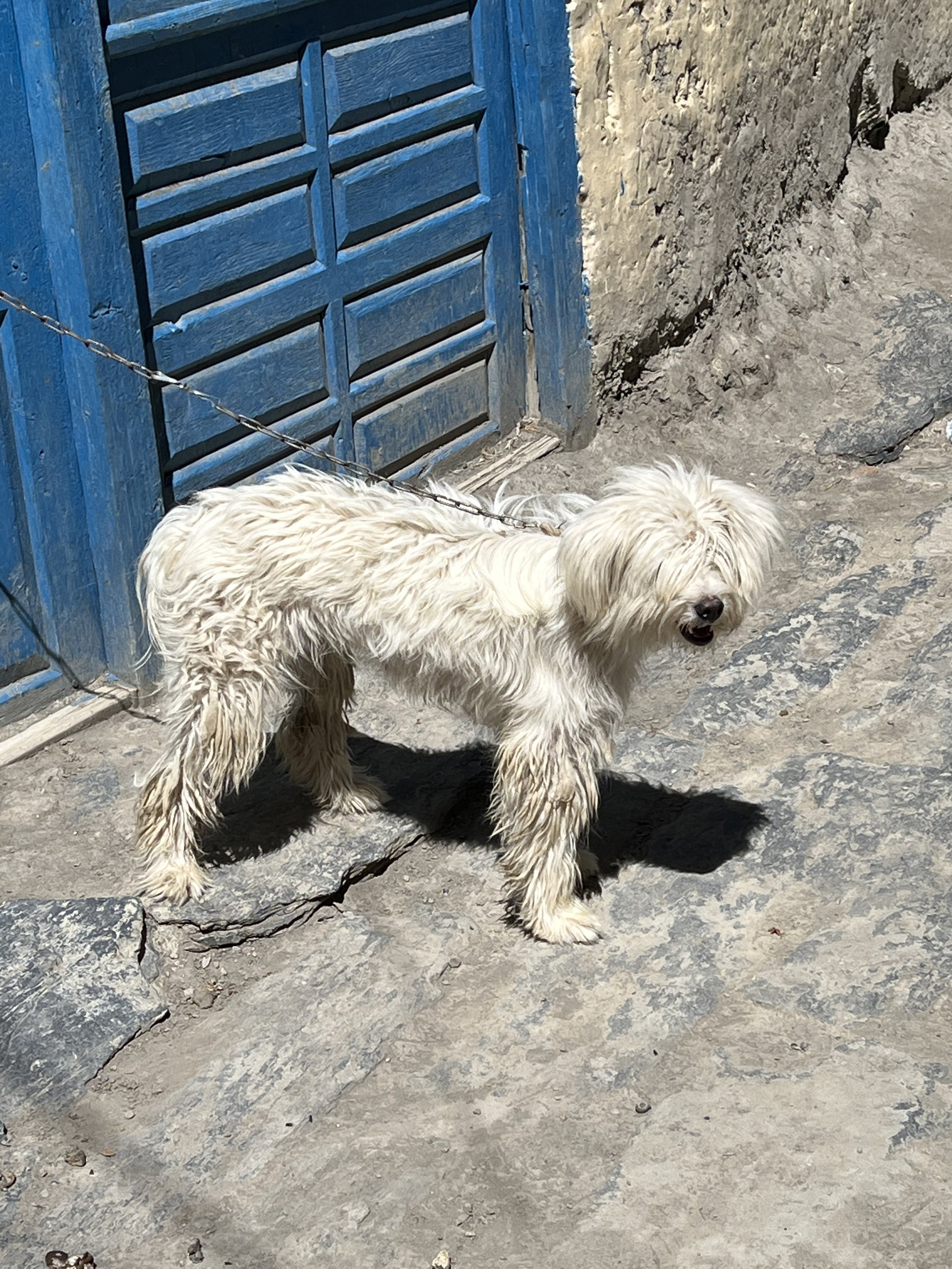
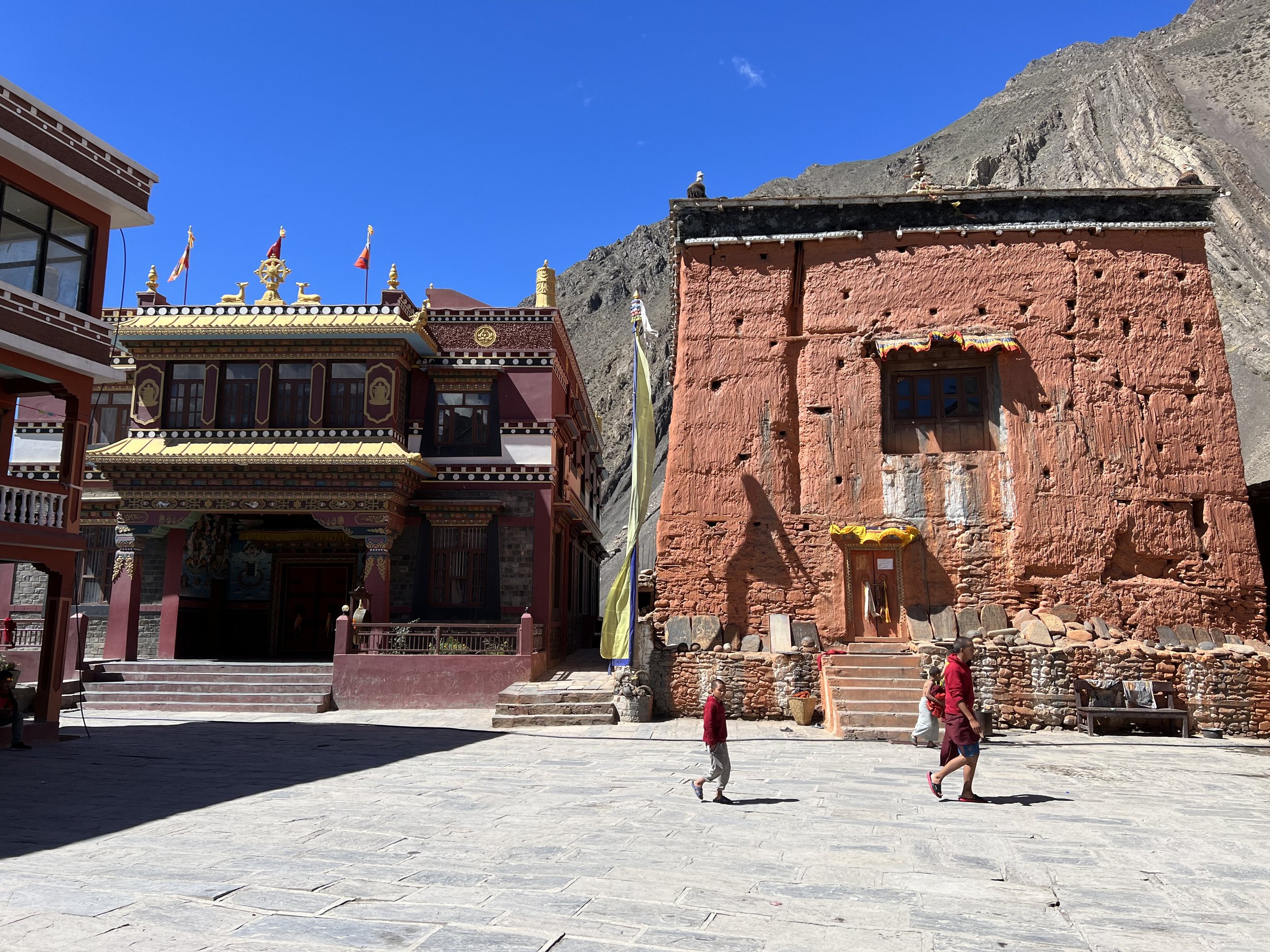
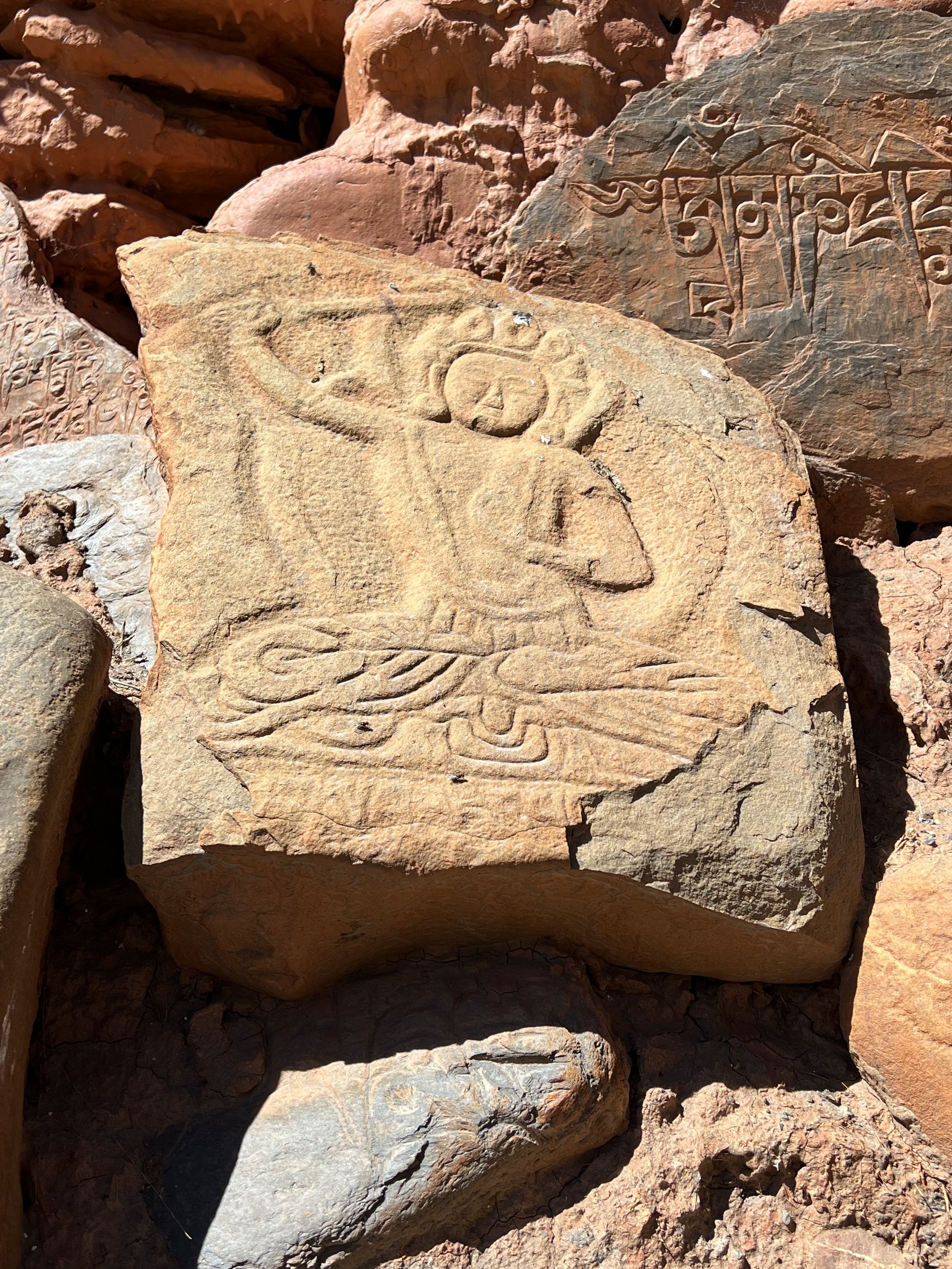
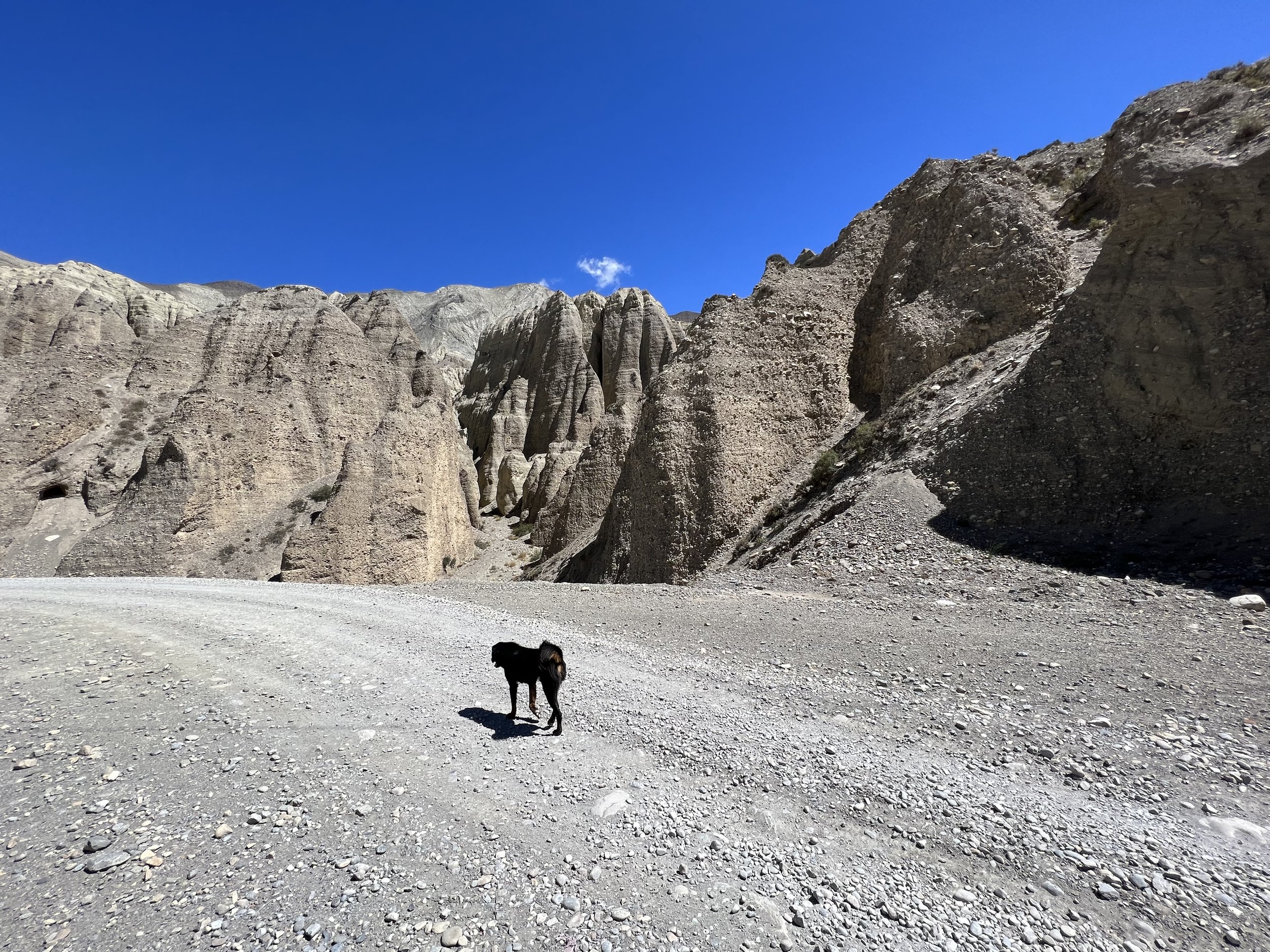
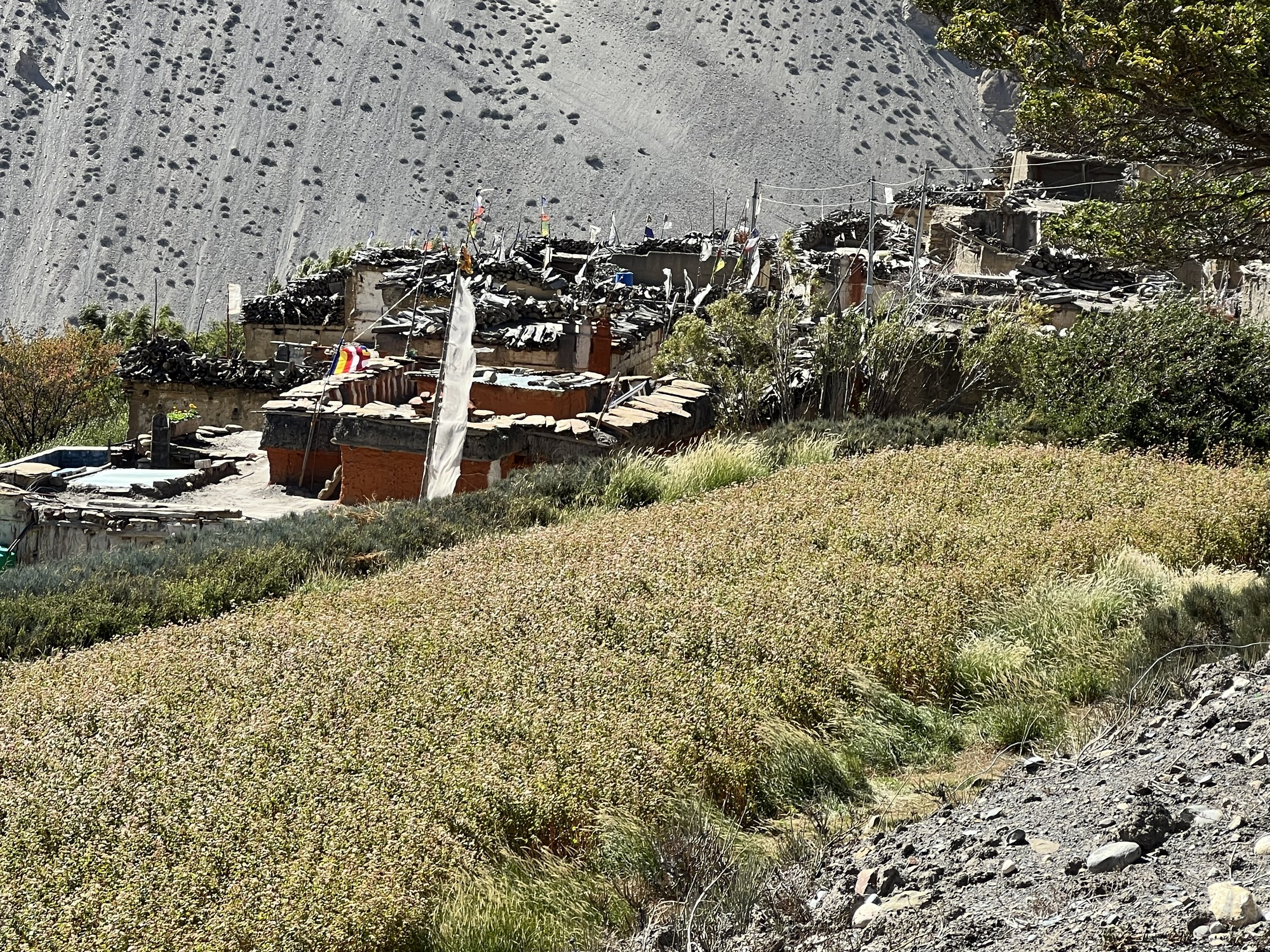
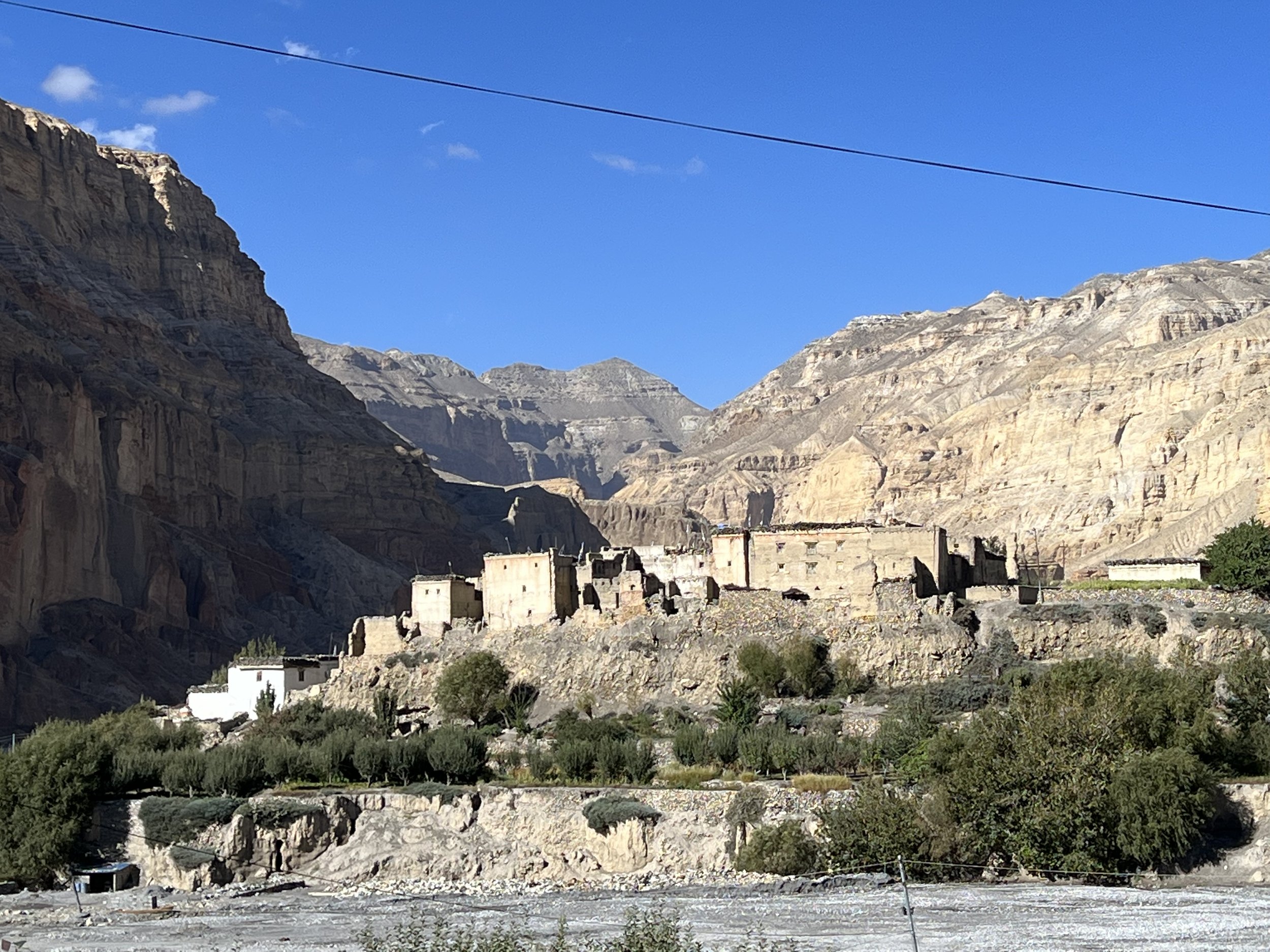
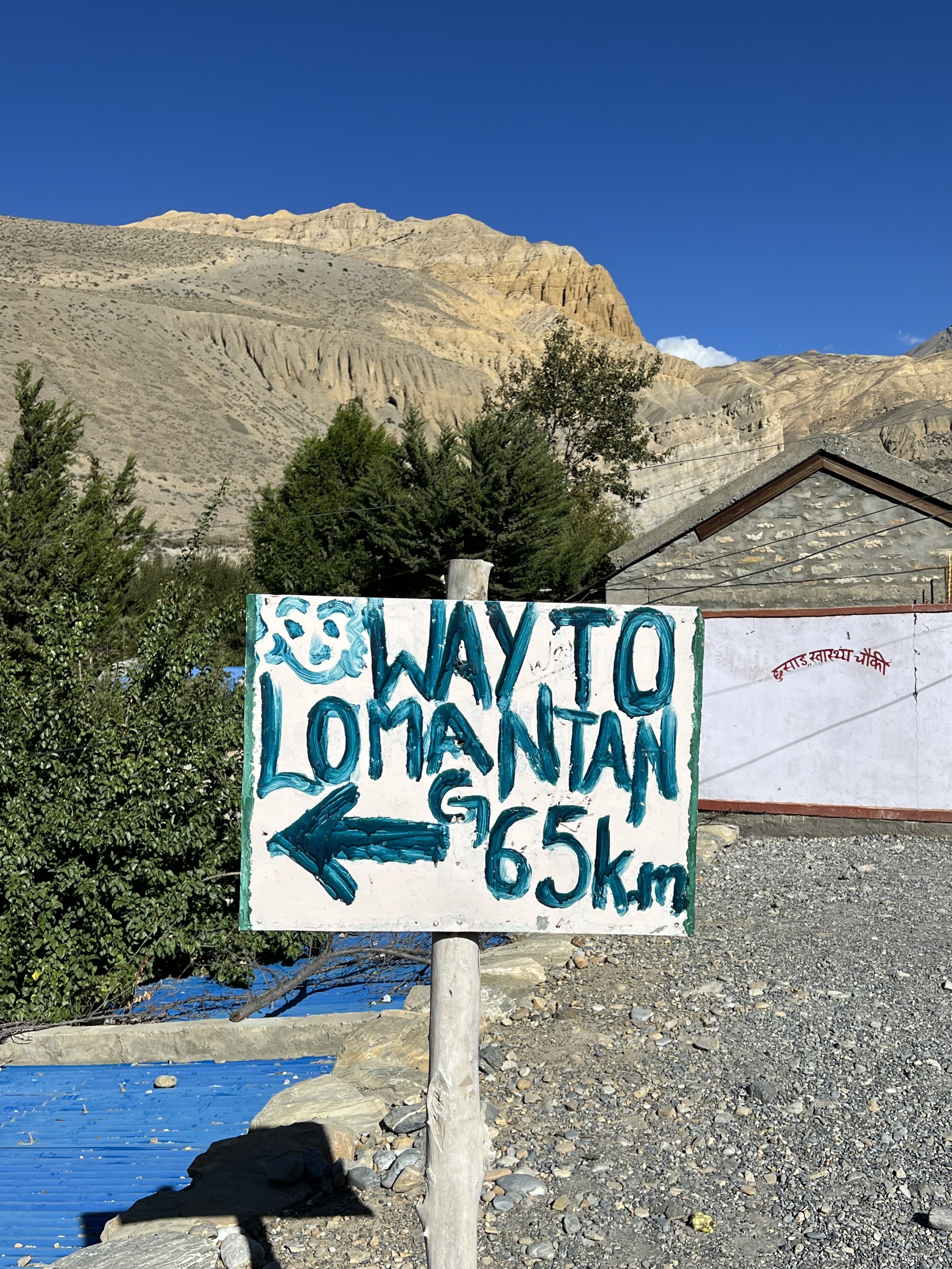
So much is familiar: flat-roofed houses and old stupas, monks walking the narrow streets, prayer flags of all shapes and sizes, terraced fields, mani walls, red rock cliffs ringing the gorge, mastiff-inspired dogs of all shapes and sizes, walls with thorned branches on top to keep the cows out… and high elevation desert. We started walking at 9000 feet and will continue to slowly ascend about another 4000 feet for the next few days to our destination, Lo Manthang, the heart of Upper Mustang, not too far from the Tibetan border.
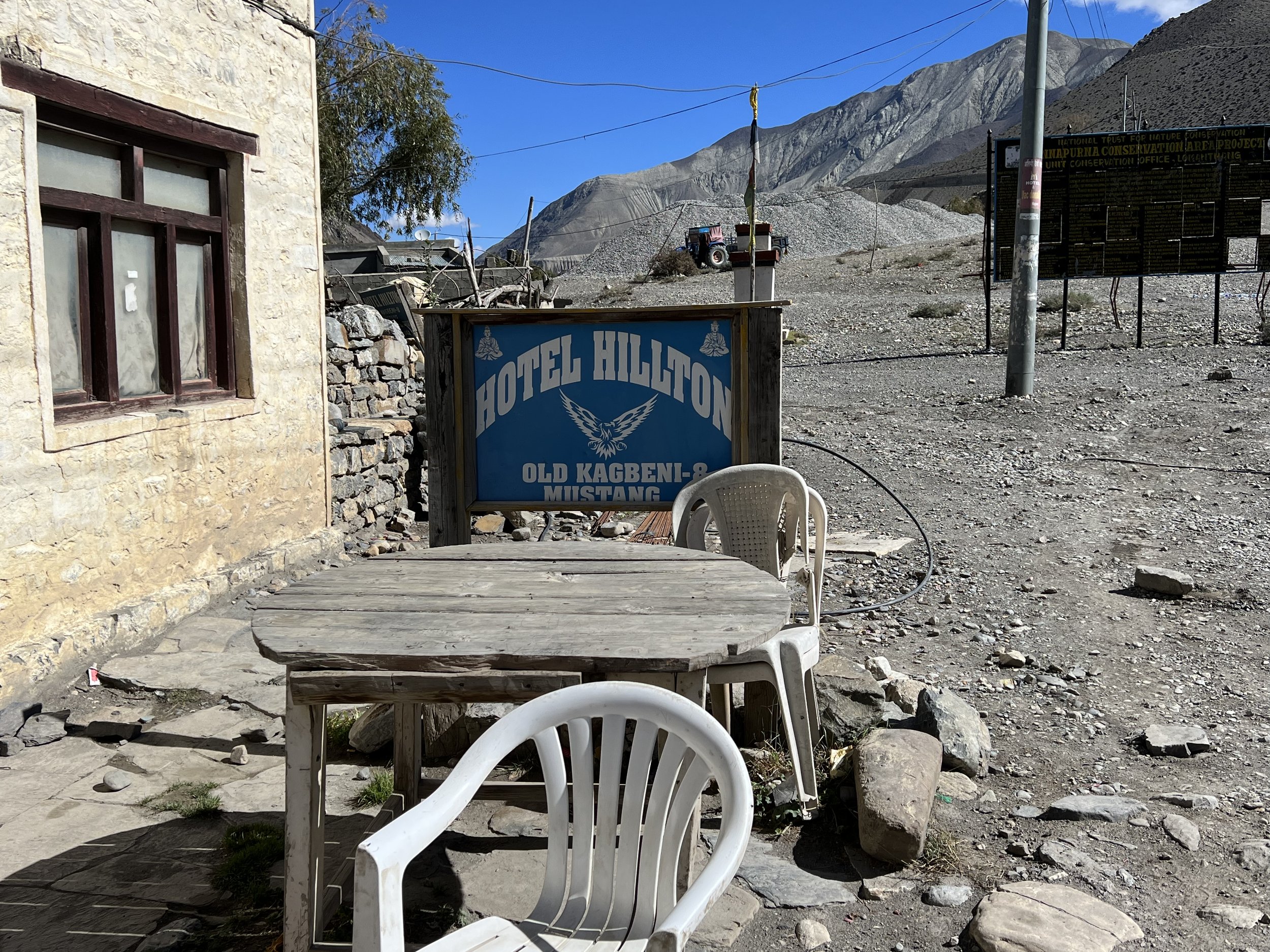
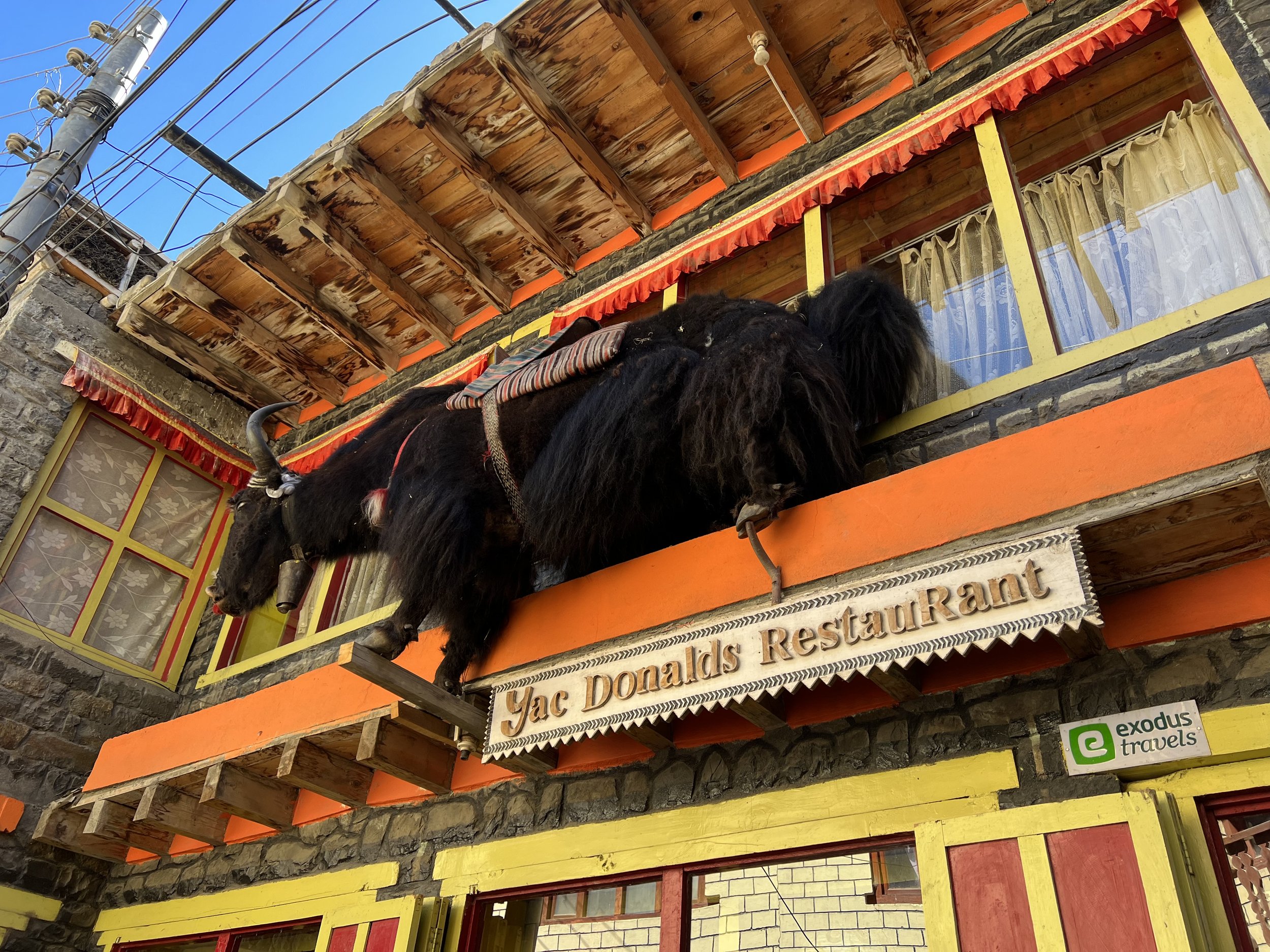
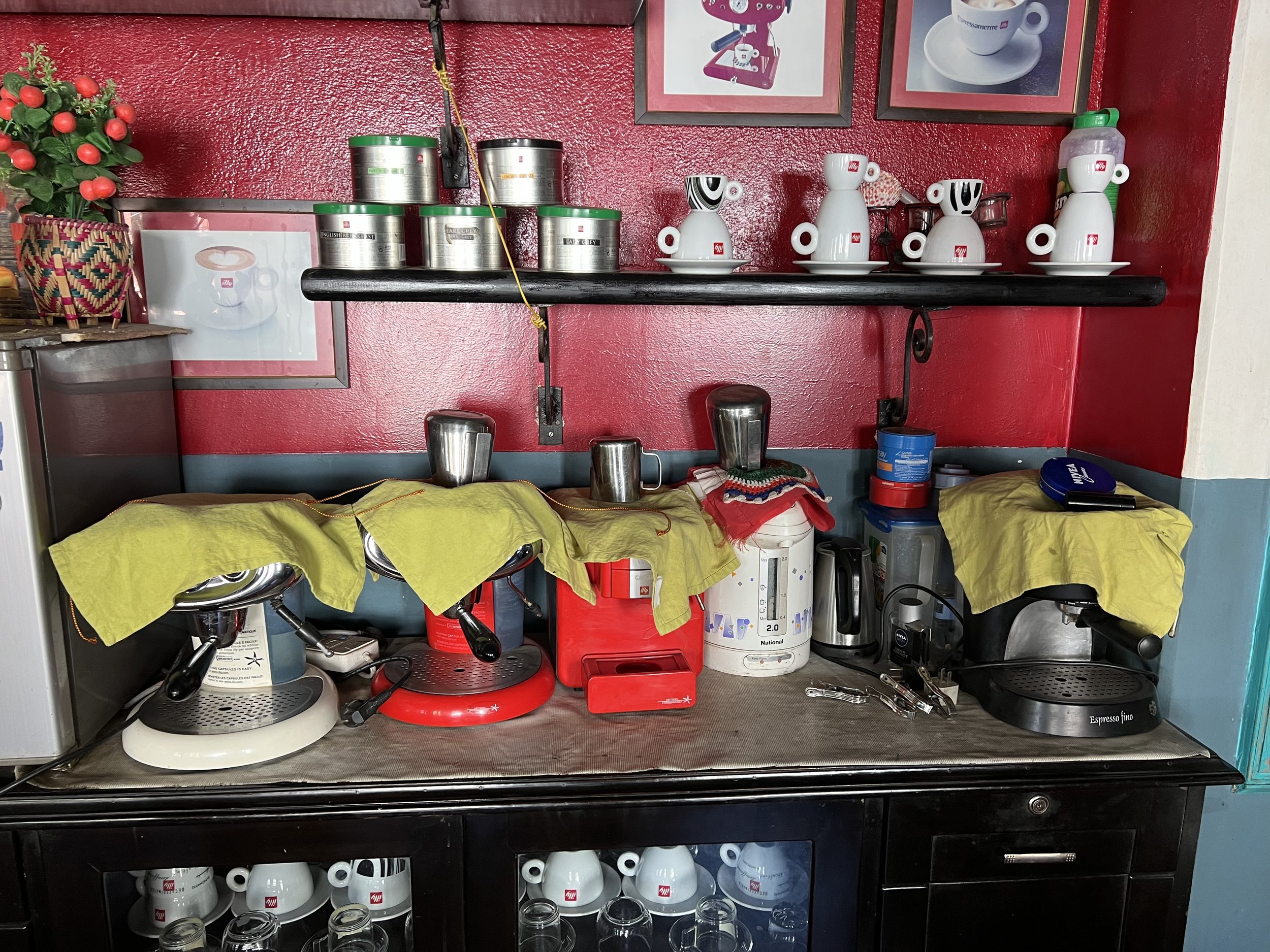
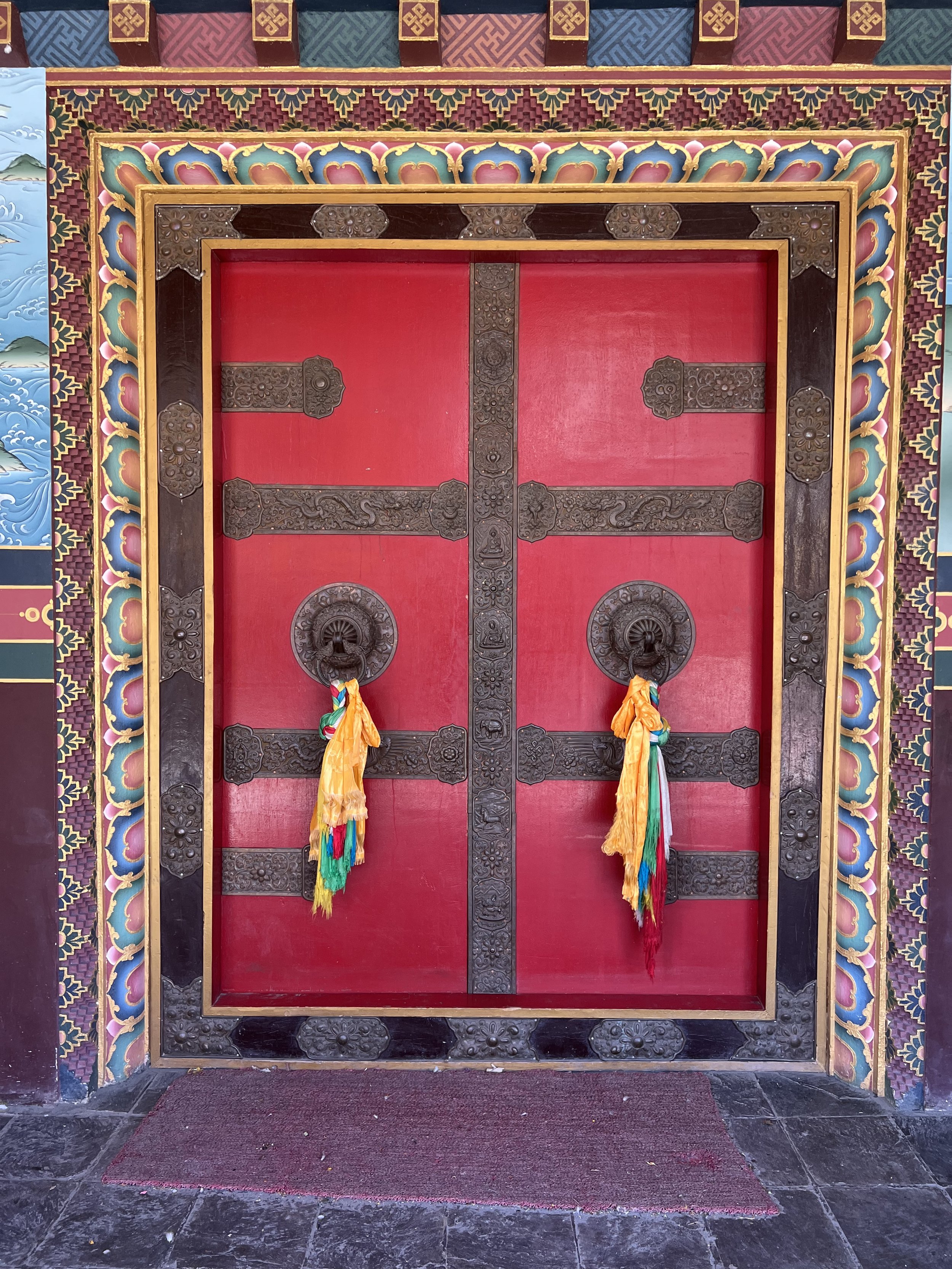
Yet so much is different: pink fields of buckwheat, monasteries (gompas) that seem brand spanking new and are often closed, terrier-inspired dogs of all shapes and sizes, wood drying on top of the houses for winter fuel, powerlines and paved roads, and white people—more than I have seen in a long while. Oh: and abundant wifi and super high-end coffee. And a sense of humor in productive and hilarious dialogue with the cultures of those who come here to walk and, in some cases, pray.
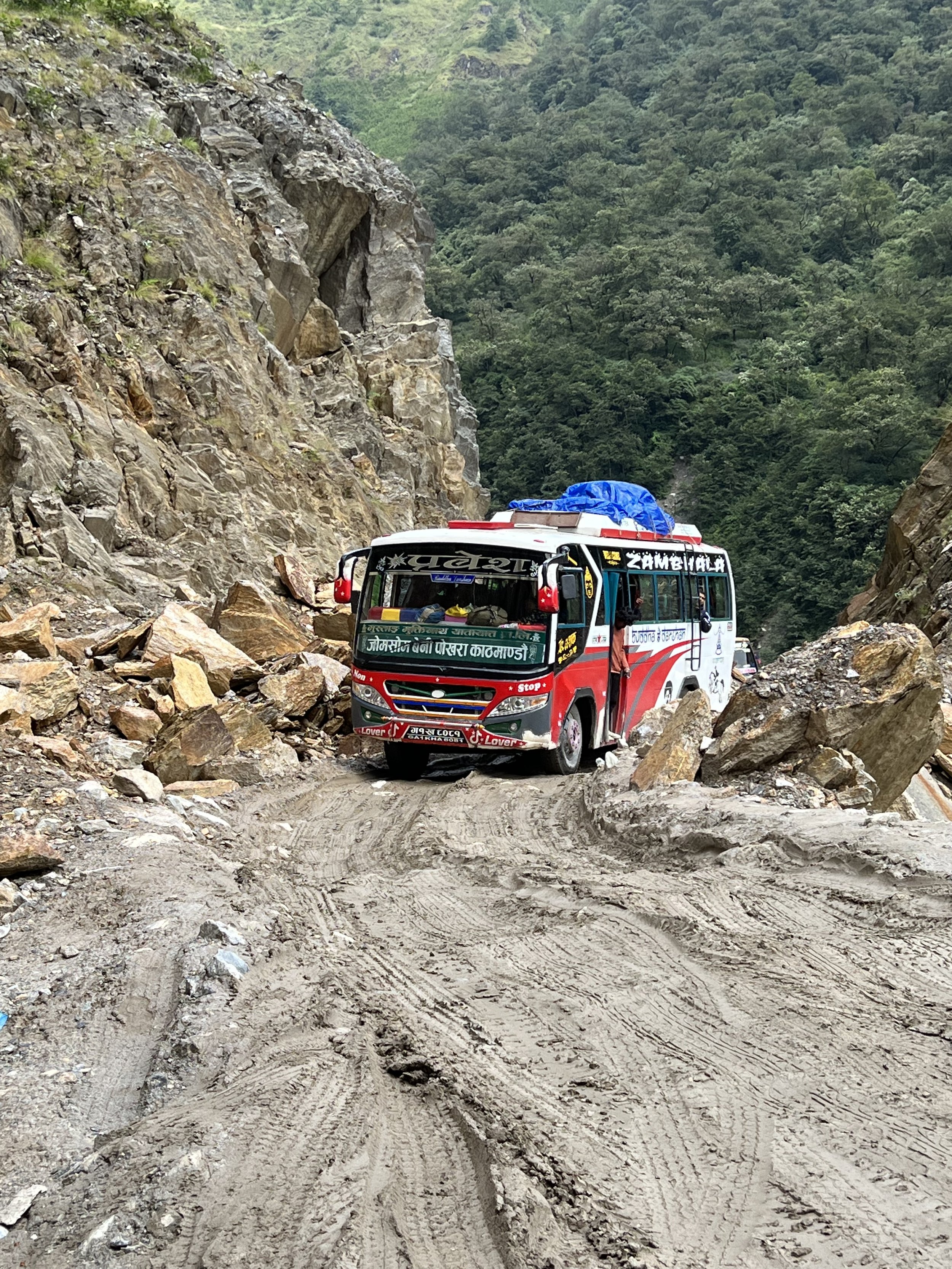
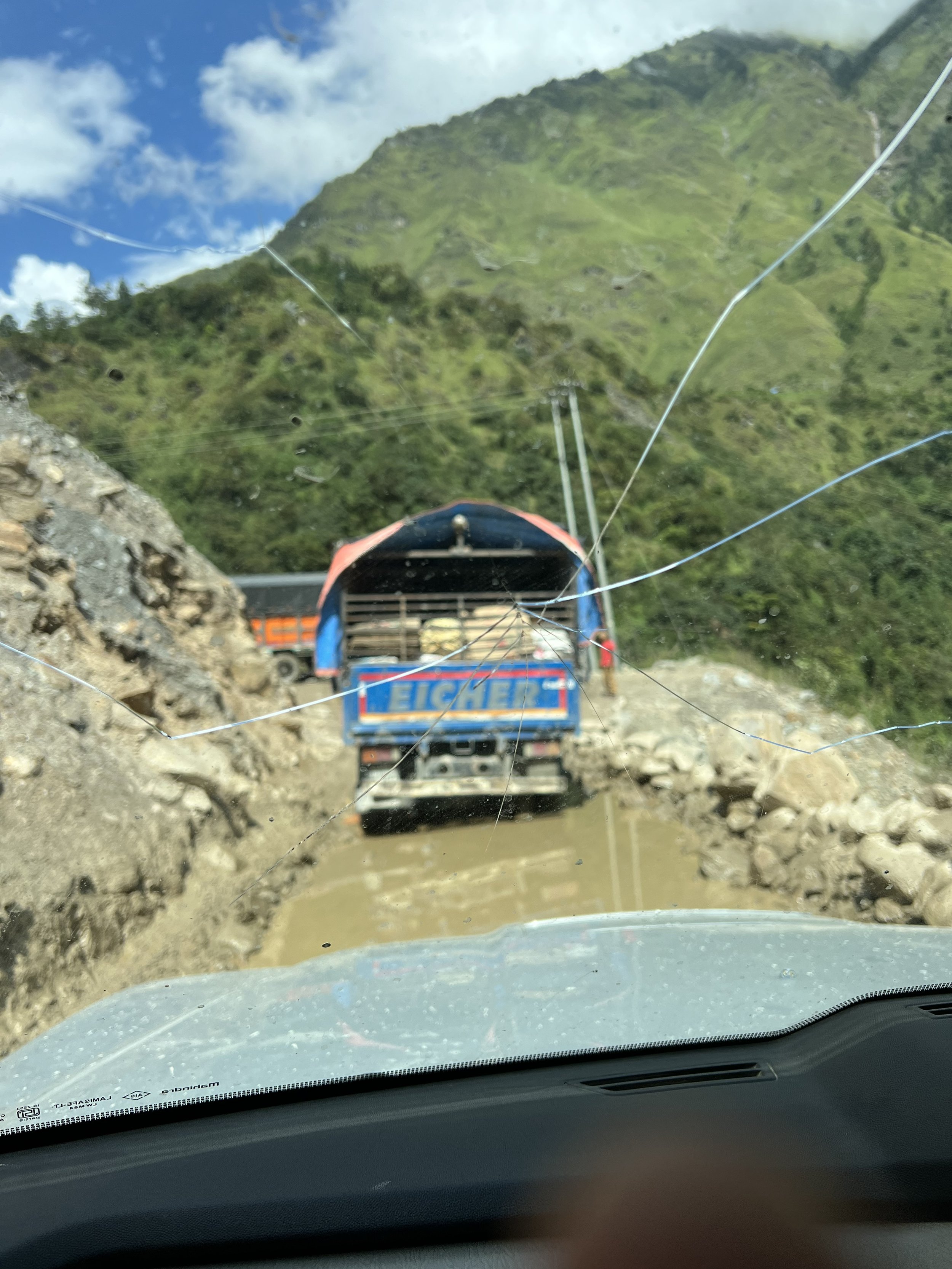
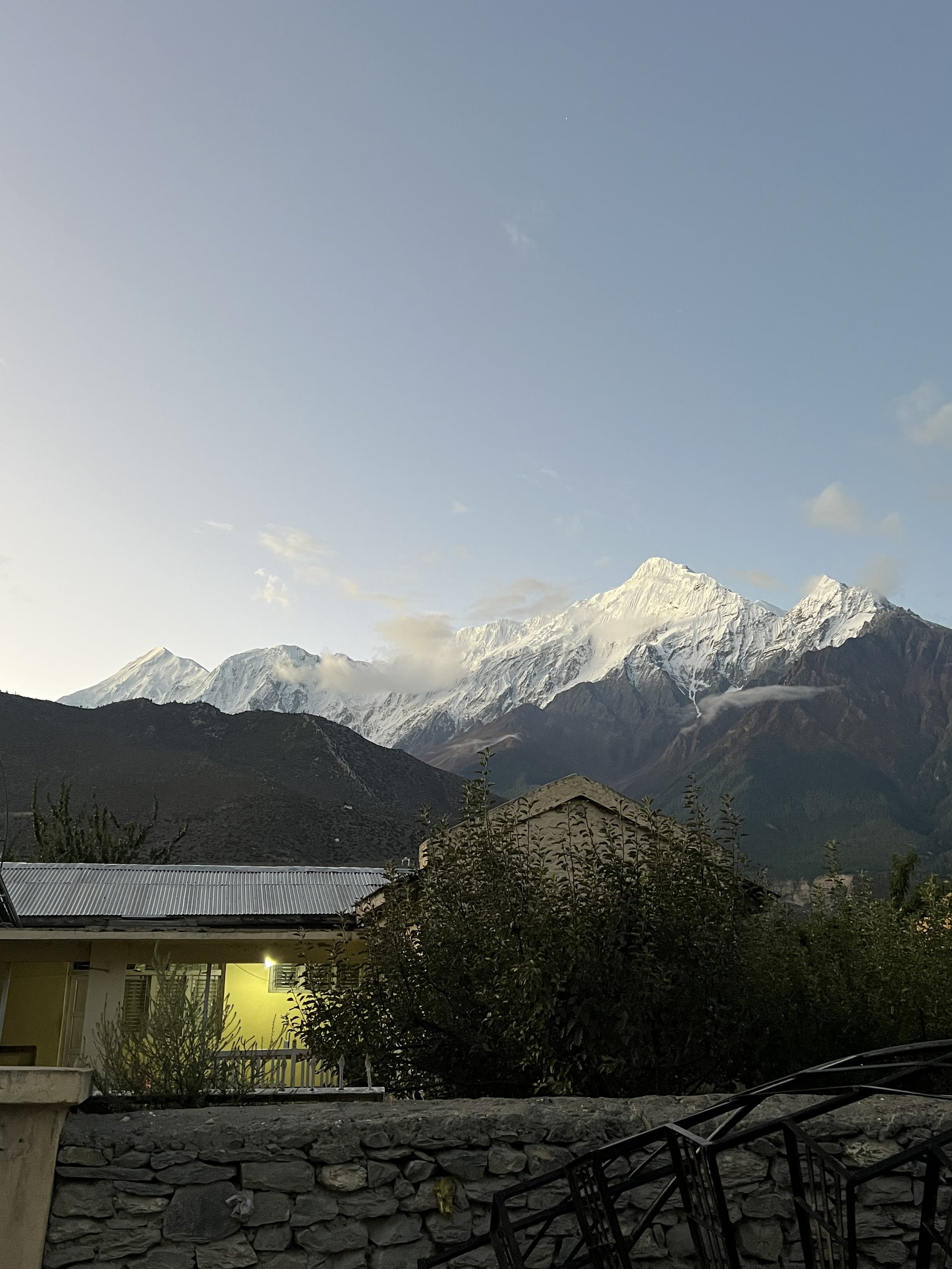
And, of course, the highest mountains in the world, watching over everything, appearing and disappearing, an absolutely sentient presence, or so it feels to me. After a harrowing but exhilarating nine hour jeep drive up the Kali Gandaki gorge—which we’ll be following for the next two weeks on foot, first on a jeep road and returning by an old trekking route to the east—we landed in the Lower Mustang gateway of Jomsom. The towering 7000m (23000 foot) Nilgiri Himal felt like the hotel’s backyard, especially at dawn, in golden colors. Dhaulagiri, the world’s seventh highest mountain and one of the few over 8000m, winked at us from the southwest as we drove up the gorge. These great beings, when they reveal themselves, stand guard over this entire region, inspiring awe. No wonder this place has been the subject of thousands of years of myth and story.
Still, I’m setting forth in Mustang trying as best I can without myths and mythologies. To walk in devotion invariably means to drop any stories—it’s one of the many foundational truths of pilgrimage to let the stories go. That includes leaving behind stories of other places that may seem very like this place—allowing this place its own-being. Walking in devotion, once again a pilgrim in sacred territory, given over completely to the land, the shrines and temples, the mountains, the beings who live here, and the great space in which it all—we all—have our refuge.
*****
A word about Japan:
As I described in the most recent post, I will be arriving in Japan on October 11, the day the country reopens. That is two weeks from today. It seems honest to acknowledge that while my spirit is dancing in mustang, some part of my heart-mind will be and also must be preparing for my time in Japan. The Shikoku pilgrimage is unlike any walk I have ever done in my life. I am not sure there is another walk like it in the world. There may be, but I am not aware of it. 30 km a day for 45 days. 88 temples, at each of which we will stop and perform various ceremonies. And the entire thing is incredibly exciting—and also, I’ll say it, pretty intimidating. I feel deeply humbled by the prospect of this pilgrimage. So while I am here, basking in the clear light, bowing to the mountains and the Mountain Gods, playing with the mastiffs, walking in awe, the truest thing I can say is that some small part of myself will be preparing to be tested, while praying for the continued vigorous and unstinting support of the Buddhas and ancestors.








 Walking and Praying
Leave a reply to jodyji Cancel reply