“The precious pot containing my riches becomes my teacher in the very moment it breaks”
—Milarepa
In Tibetan and other Buddhist traditions, the Bardo is a place or state that consciousness must pass through after it leaves one body and before it is reborn into another. Contemporary Buddhist teachers, most notably Chögyam Trungpa Rinpoche, have extended the notion of the Bardo to describe any state of transition, transformation, crisis, liminality, or any other life situation (such as an intensive Buddhist retreat) that forces a reckoning with or loosening of who we thought we were and a gauging of the foundations of our life-force. When things break, like Milarepa’s treasure pot, we find ourselves in the Bardo, in the presence of our human life’s most powerful teacher.
I’ve been thinking and reading a lot about Bardo states since arriving in Japan, at least in part because the experience has featured the kind of intensity, shock, and self-questioning sometimes described as characterizing a journey in the Bardo. In a recent Lion’s Roar article (easily findable with a google search), Pema Khandro Rinpoche writes compellingly about the kinds of disruption or “rupture” that can be precipitated by experiences such as illness, bereavement, or any abrupt changes in our fundamental life circumstances. During such times, she writes, we may experience a falling away of the selves we know and a powerful intimacy with the emptiness teachings, or teachings on shunyata. That is, we may have “a direct experience of disruption felt at the core of our being, when there is no longer any use manufacturing artificial security.”
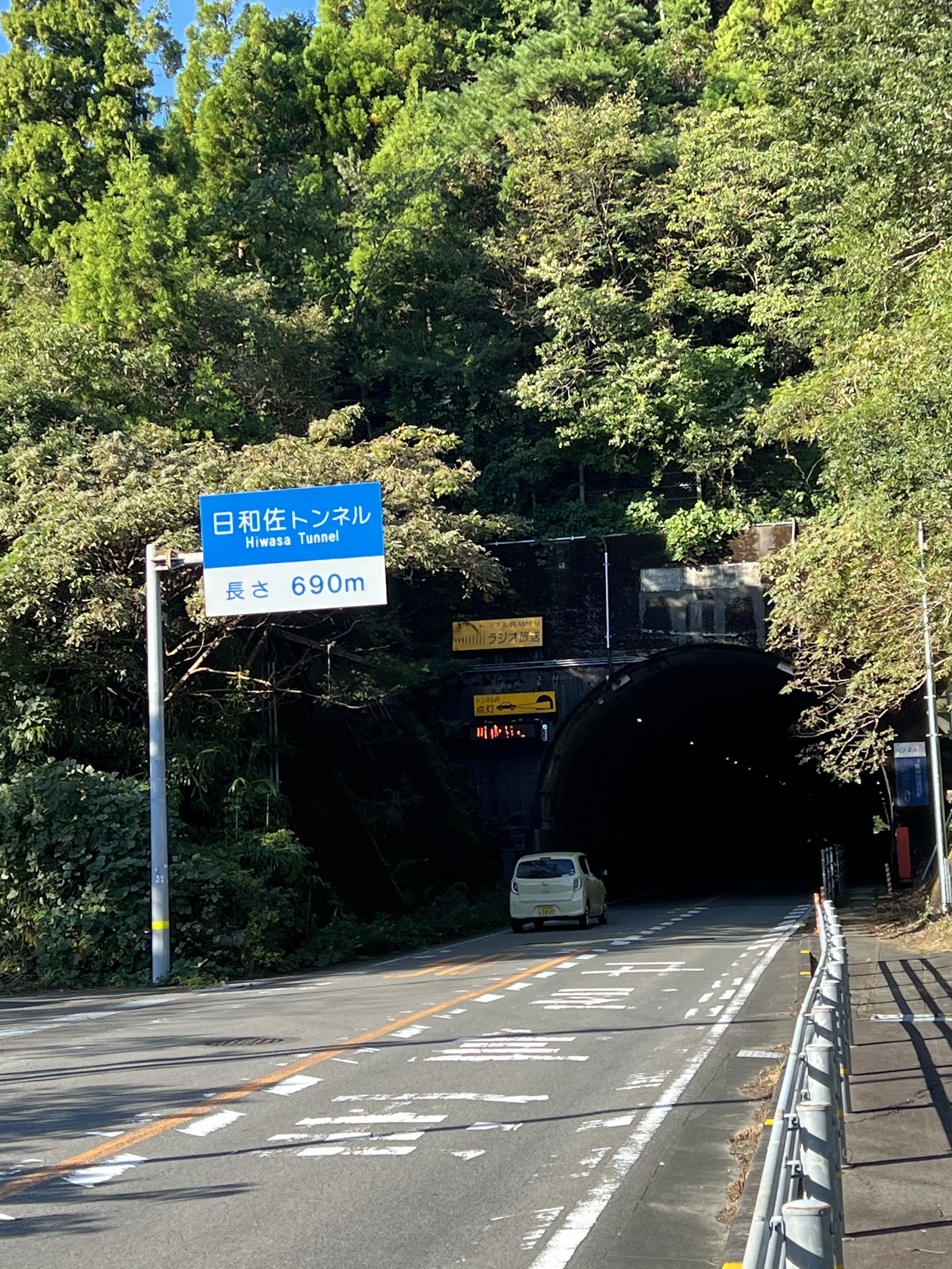
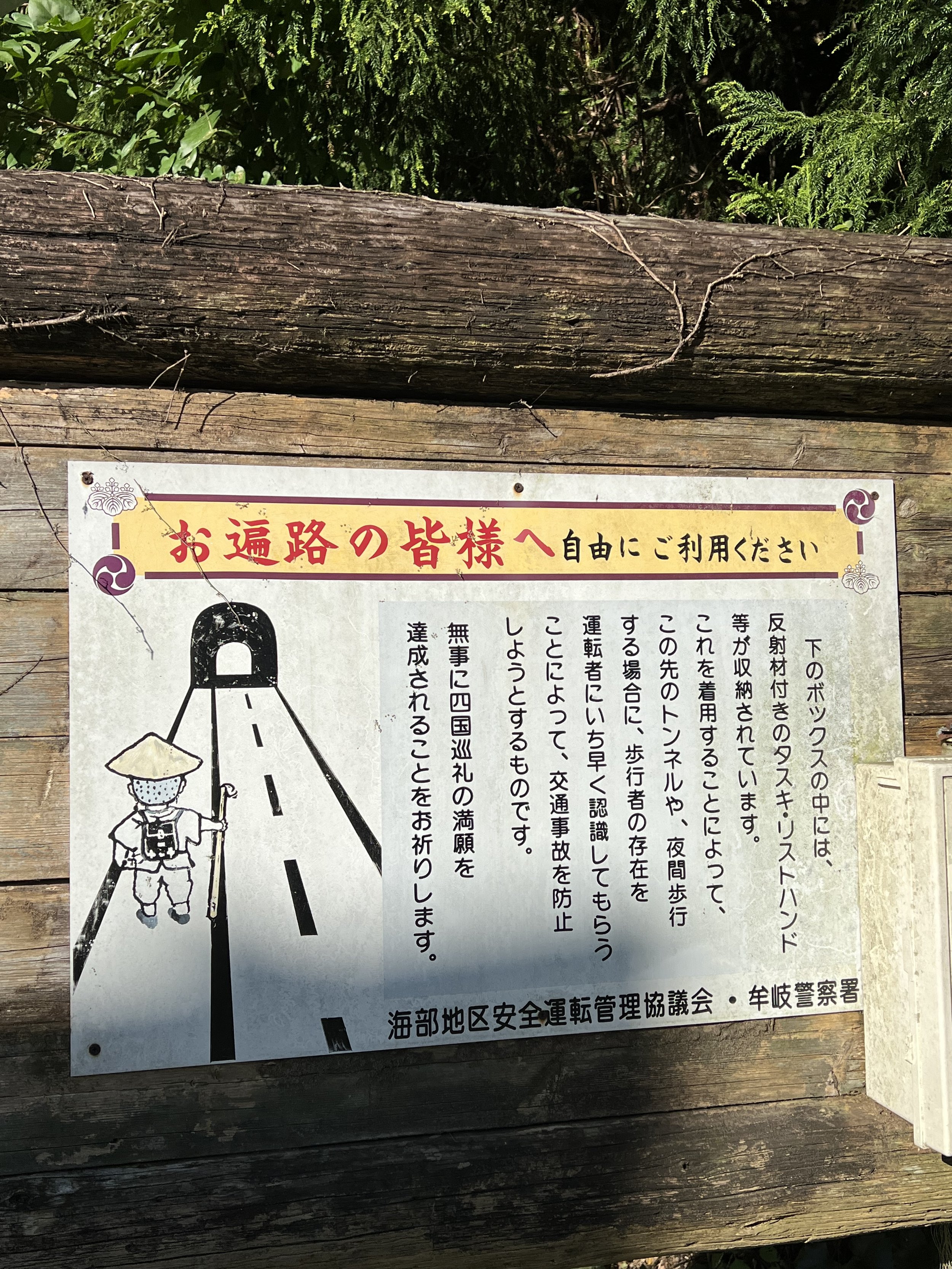
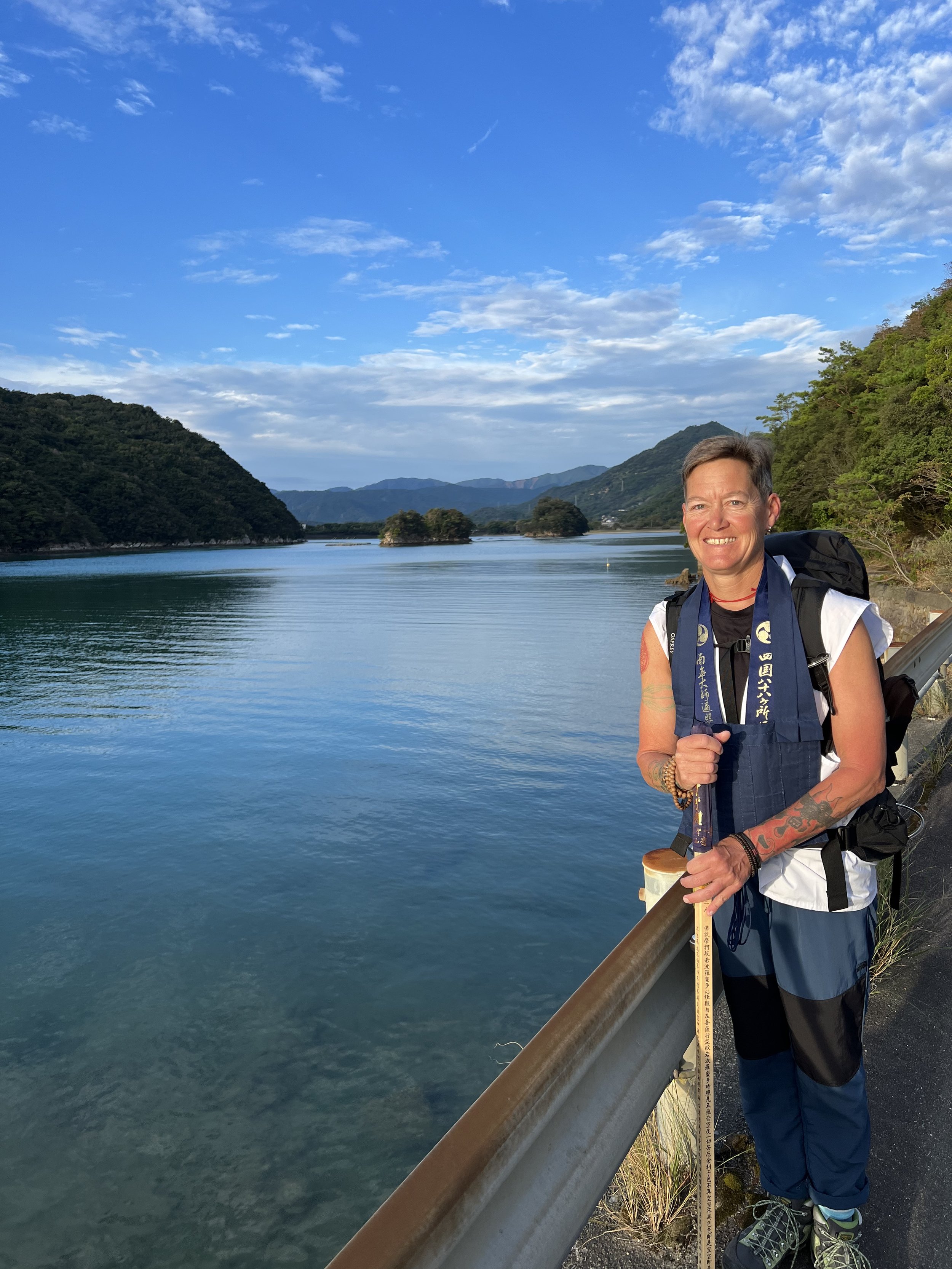
I won’t be able to (and wouldn’t want to) detail all the ways in which the first week and a half of this walk have had much of the flavor of this space in which what I think of as reliable self-understanding, security, or “who-I-amness” have taken an impressive hit. I’ve written already about abandoning vegetarianism and getting used to being the largely invisible shadow of my Japanese-speaking guide. I’ve been traveling the world solo for much of my adult life, able to fend for myself more or less, but here in rural Japan, I can’t book a room, order a meal, or navigate if I get lost. To name just a few of the other disruptions, I’m used to walking long distances without physical discomfort, and the combination of miles (we walked 18 yesterday and 20 today) and road surface have shaken my bones, inflamed my shins, and significantly pissed off my feet. As Dave likes to say, “this is not a nature walk,” but walking on highways, through tunnels, and with constant oncoming traffic gives a whole new meaning to the notion of “walking meditation.” My endurance is challenged and my ability to find joy in the walking is flickering at best. And I haven’t had so much as a conversation about Buddhism since I arrived. What am I doing here, I have asked myself on numerous occasions. And is it time to just stop?
And yet, at least so far, notwithstanding deep confusion at times, it hasn’t felt true to stop. In her reflections on Bardo states, Khandro Rinpoche continues, “the inevitability of the circumstances at hand is compelling enough that for the moment, our complexity ceases. Our compulsive manufacturing of contrived existence stops. Perhaps in that ungrounded space, we are not even comforting ourselves, not even telling ourselves everything is okay; we may be too tired to do even that. It’s just total capitulation.” I have felt some of this total capitulation in the past days—a little at least—and I have been amazed to find how quickly, when I just let go and stop trying to make all of this comfortable, grace arrives in many forms.
It’s not lost on me that “accidentally” I’m scheduled to be in Japan for 49 days—in many Buddhist traditions, the precise time during which a recently deceased consciousness is said to move through the Bardo. Francesca Fremantle’s book Luminous Emptiness is a brilliant accounting of all that’s supposed to happen there, and I won’t even try to claim to know all the details. But three things do stand out: scenes from one’s life and actions give one a chance to do a true accounting, and deities both wrathful and peaceful step forward with terrors or encouragements. At least that’s my understanding. The essential practice, the one we train for over lifetimes, is “letting go.” A consciousness that has done its best to awaken in the most recent lifetime is challenged to Keep Walking past distractions of many kinds. Not falling prey to fear is critical.
I’ve had my share of wrathful deities here—spiders (so many spiders), traffic, tunnels, aches and pains of various kinds, fear of injury of related and other kinds. In the “who-I-amness” department, questions about everything from why I was so convinced this was a good idea to why I’m not better able to adapt dog my steps and rip me out of the present moment, if I’m not careful. There are plenty of wrathful deities from past, present, and future to walk past, like some Samurai Christmas Carol. And there is an intermittent deep longing for Nepal and Ladakh and the joy I felt there that is both comforting and, I’m sure, not entirely helpful.
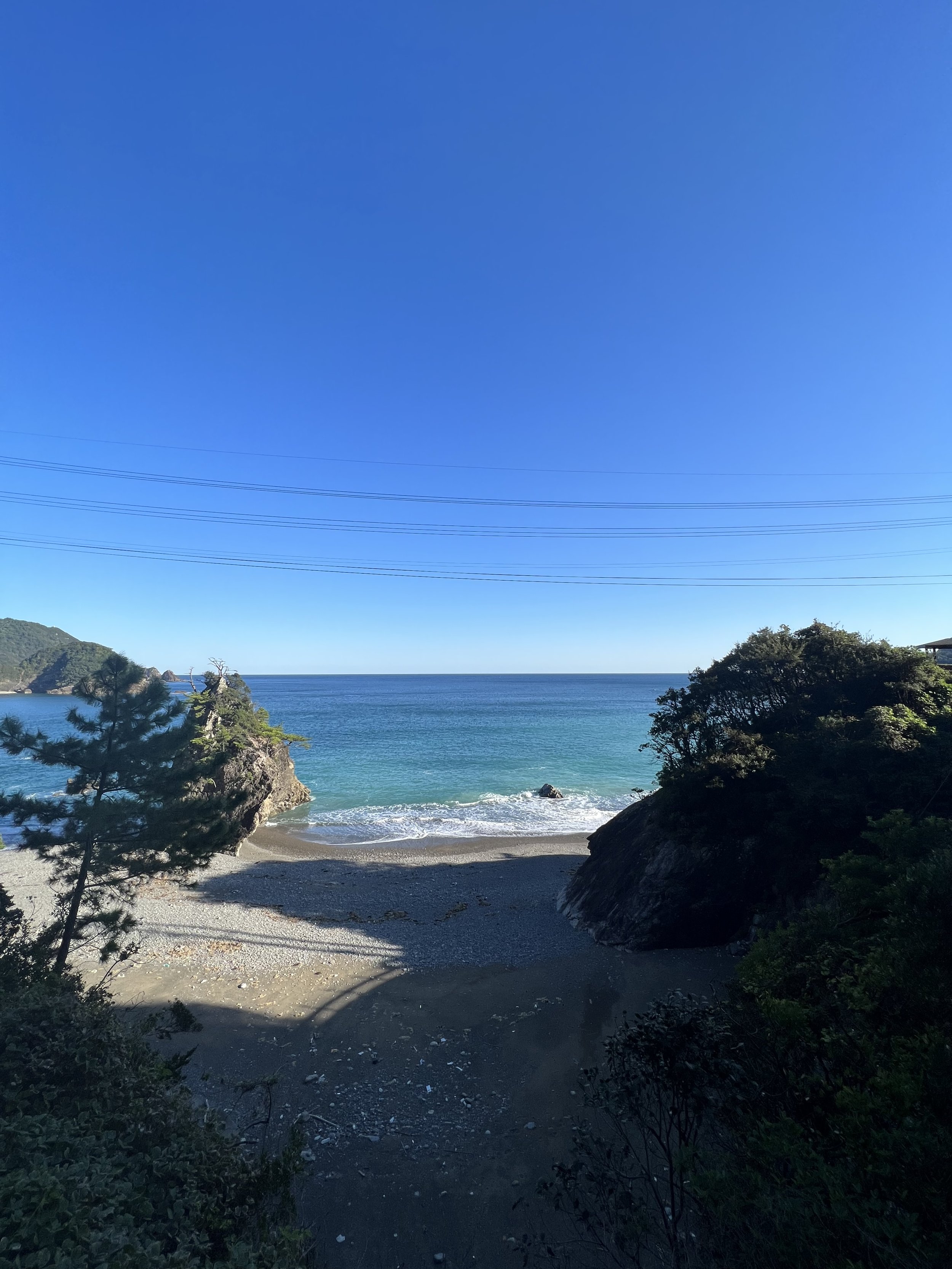
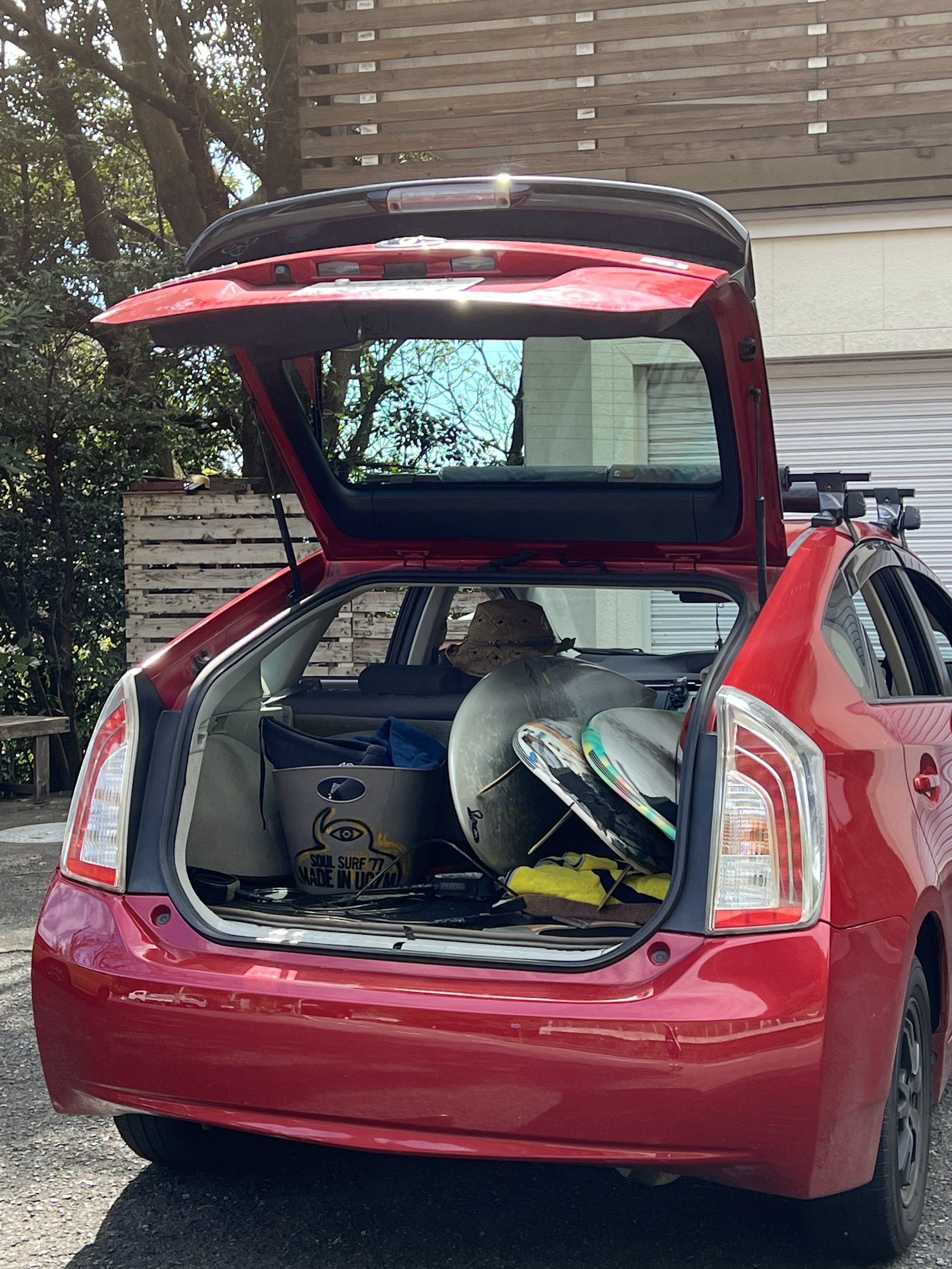
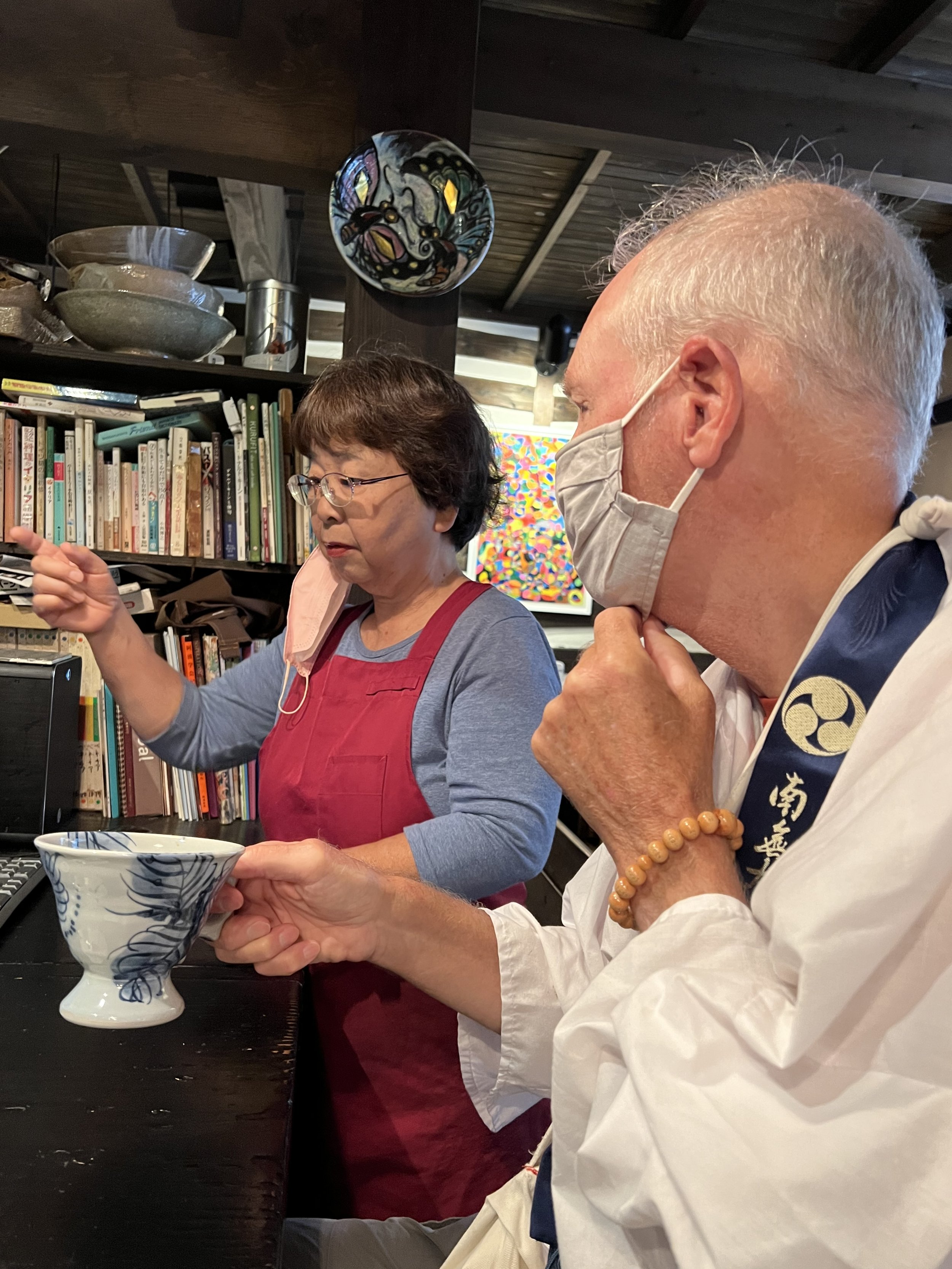
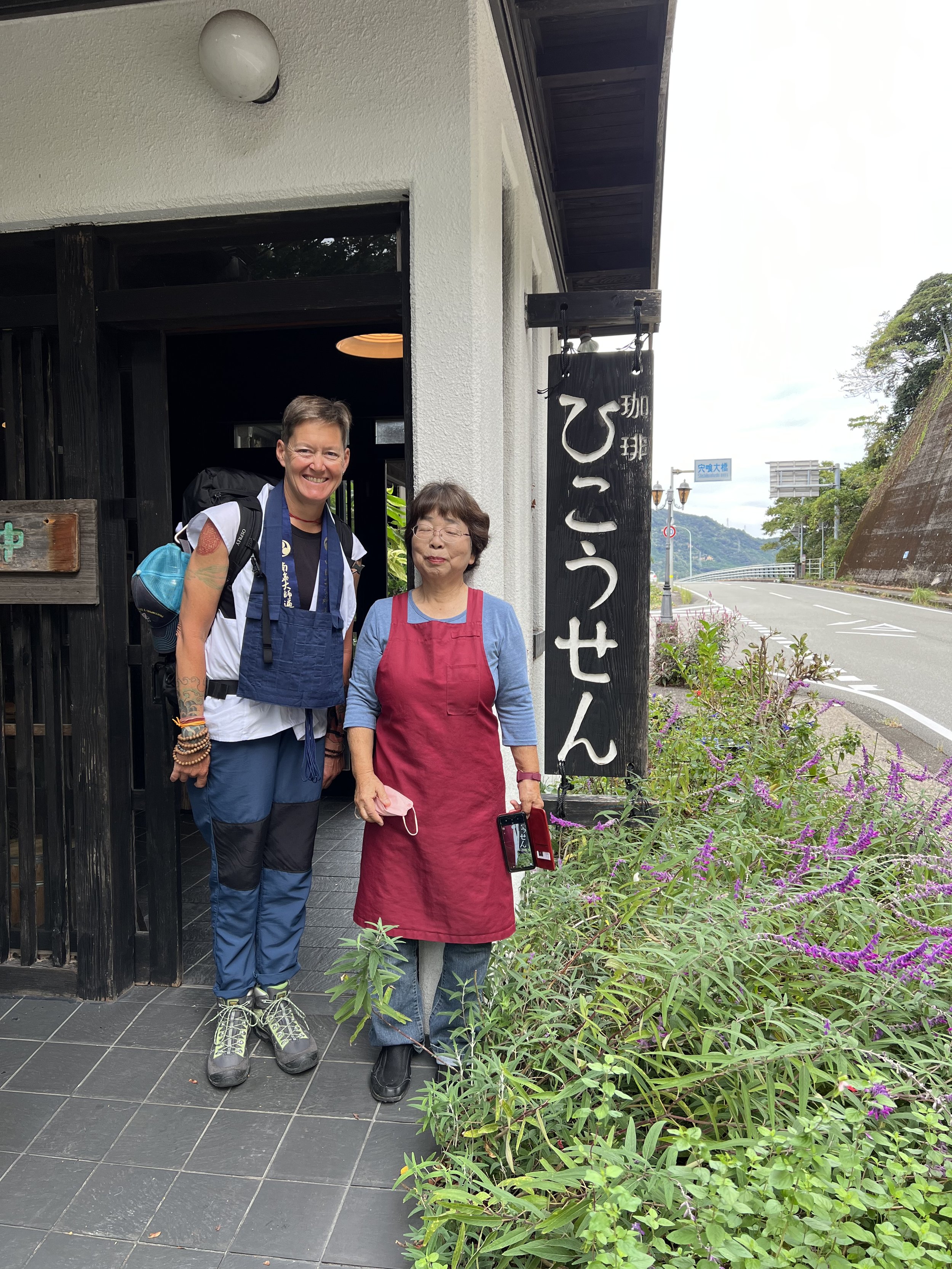
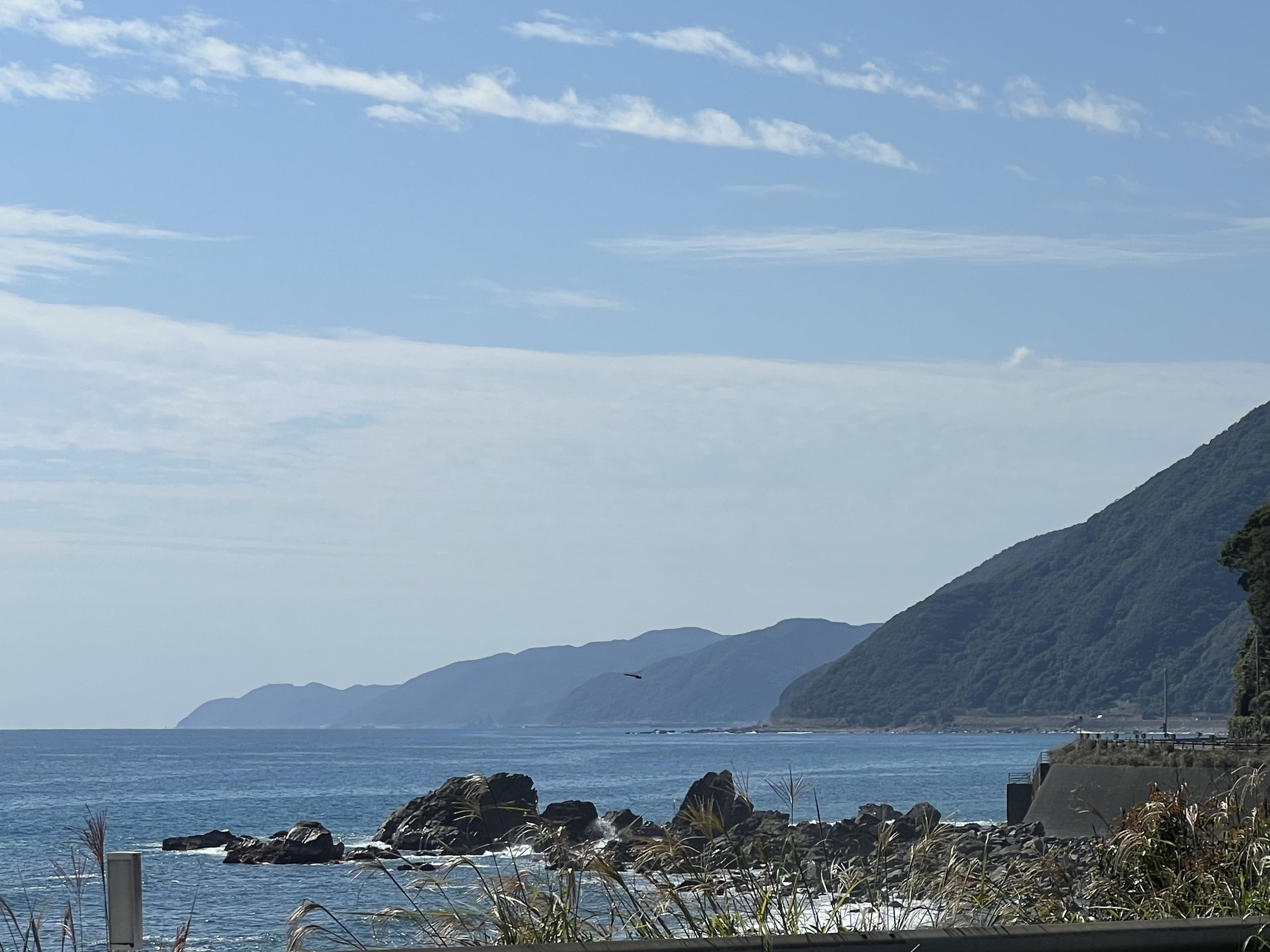
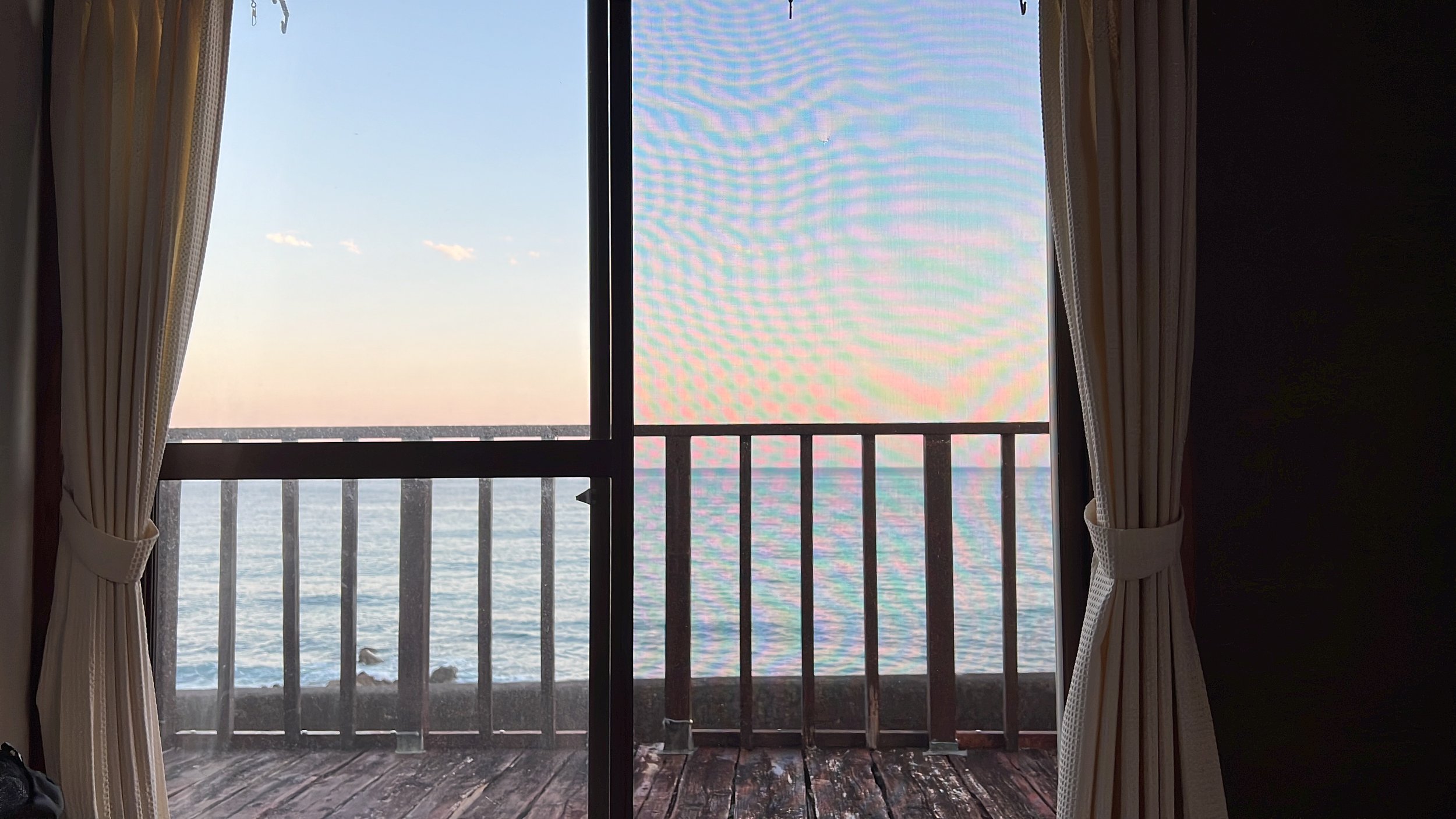
There have been peaceful deities, too. There was the shiatsu angel, owner of an inn who just happened to have practiced in Tokyo for 20 years. She may single-handedly have worked the magic my shins needed so I could keep walking. There was Tatsu the sake angel, who started the Henro ten years ago, but had to stop when his legs “broke” ten days in. I think this means he developed stress fractures, which are not uncommon here. He stayed on in the little beach town of Kaifu and runs an inn there. His kindness to me replaced my flailing attempts at “artificial security” with something direct and real (and I don’t just mean the generous pour of sake, though that helped). This morning, there was the coffee angel, who waited outside her very homey cafe for us (she had driven by us earlier, she said). As we walked past, she immediately called us in and fed us delicious coffee and a second breakfast. This being our longest—and first 20-mile—day, I thought Dave would just keep walking, but he stopped and bowed when she offered us Osettai, gifts for Henro, in the form of cold brew and toast. I’m not sure if, in Bardo terms, we were supposed to keep walking, but I sure am glad we stopped. There was a much-needed barber angel, as well as a shoe angel who is having a pair of more appropriate road walking shoes sent to intercept me in a few days. And let’s not forget the surfer angels. We’re on the Southeast coast near Cape Murato and the past two days’ 38 hard miles have taken us past surf shops, small breaks, and cars with boards on top. I watched surfers from my room as the sun set. Tonight I’ll sleep with the sound of the waves in my ears: bliss.
In reflecting on the chaotic and ungrounded feelings that arise in Bardo states, Khandro Rinpoche writes, “our path is to find presence in each of these experiences. In the case of the bardo, … presence is the only real thing left.” I think part of the answer to my question about whether to stop has been a very tiny flame of presence that keeps asserting itself just when I feel most discouraged. The cry of the black kites that have been with us every day—“your hawks,” as Dave calls them. The shiatsu angel’s little cat, who curled up on my back and purred during the treatment (“she’s never done THAT before”). The strange music of the trucks in the tunnels. The sound of the waves outside my window as I write. The crash as the pot breaks—and the silence after. “Liberation through hearing” is one name for the instructions for the Bardo. Deep listening and the presence it precipitates may just be enough to get me through the next step.
“If we’re in touch with the ground of being,” Khandro Rinpoche writes, “that ground allows us to walk the earth with a clarity that accommodates whatever arises.” And so I keep walking, not in search of clarity, exactly, but determined not to miss it in the moments when it does reveal itself. And step by step, just letting go.





 Walking and Praying
Leave a reply to Carla F Cancel reply