Over the course of this pilgrimage, there are four “sekishoji” temples considered “spiritual checkpoints.” Today’s temple, Konomineji, number 27, is the spiritual checkpoint for the second prefecture, or the second of four portions of the pilgrimage. My guide’s explanation of the purpose of these temples is that they are where you find out whether or not you are “worthy” to continue. I don’t know, because I’m no expert, but the energy of the two I have passed through feels quite different. They feel more like places where you check in with your intention and with the integrity of your pilgrim heart. They also have felt like good places, if and when there is confusion, to ask for help.
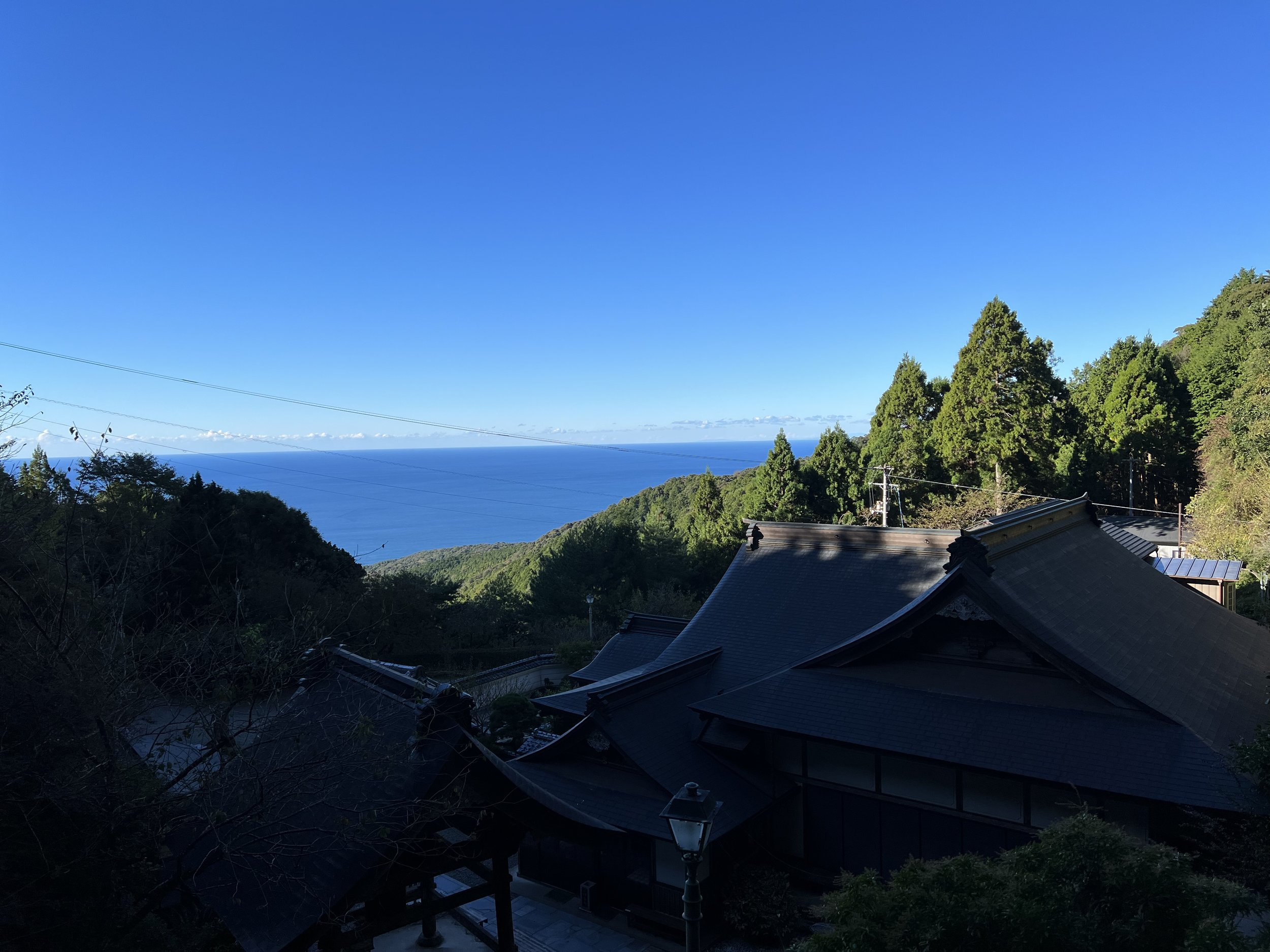
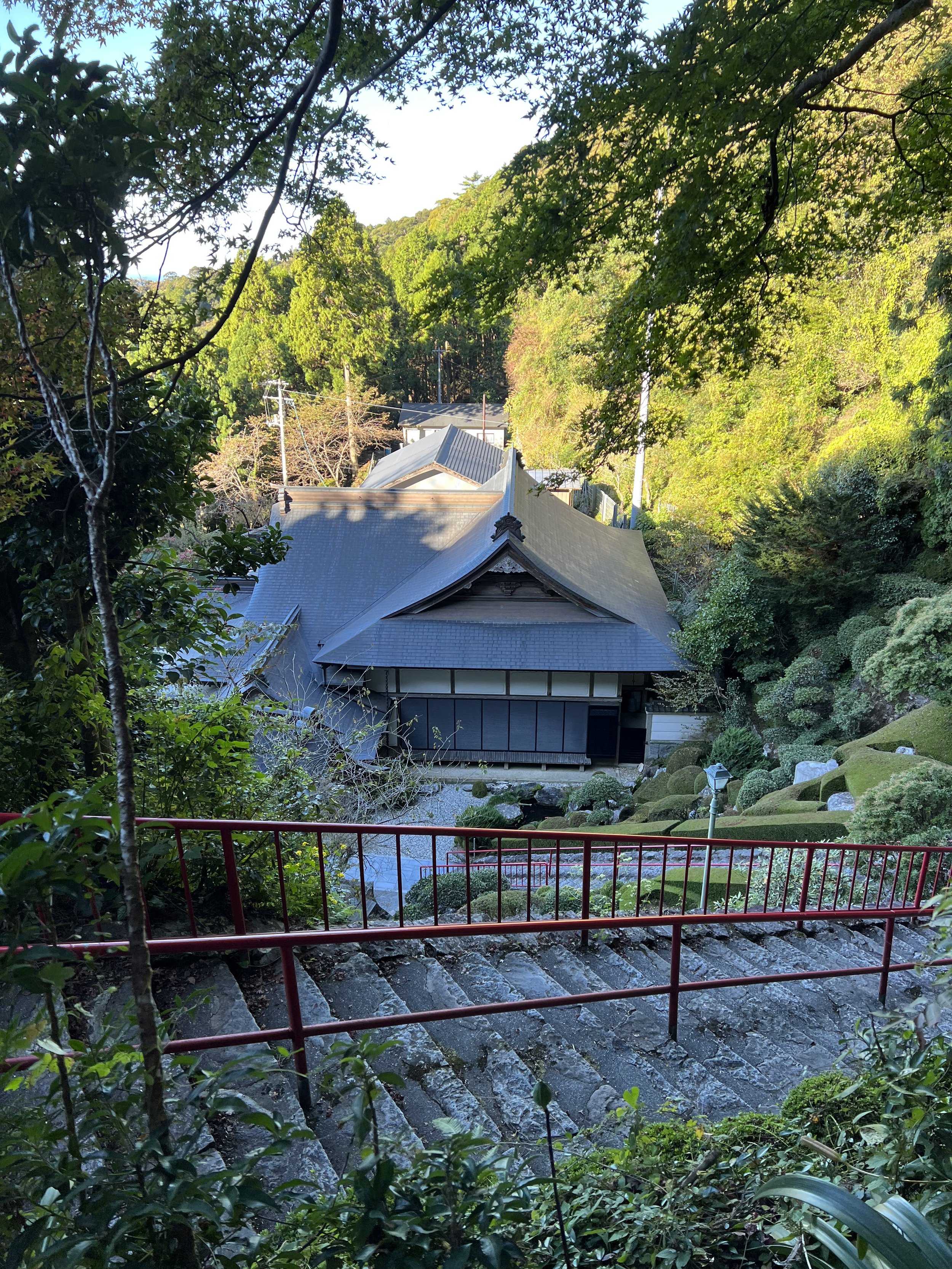
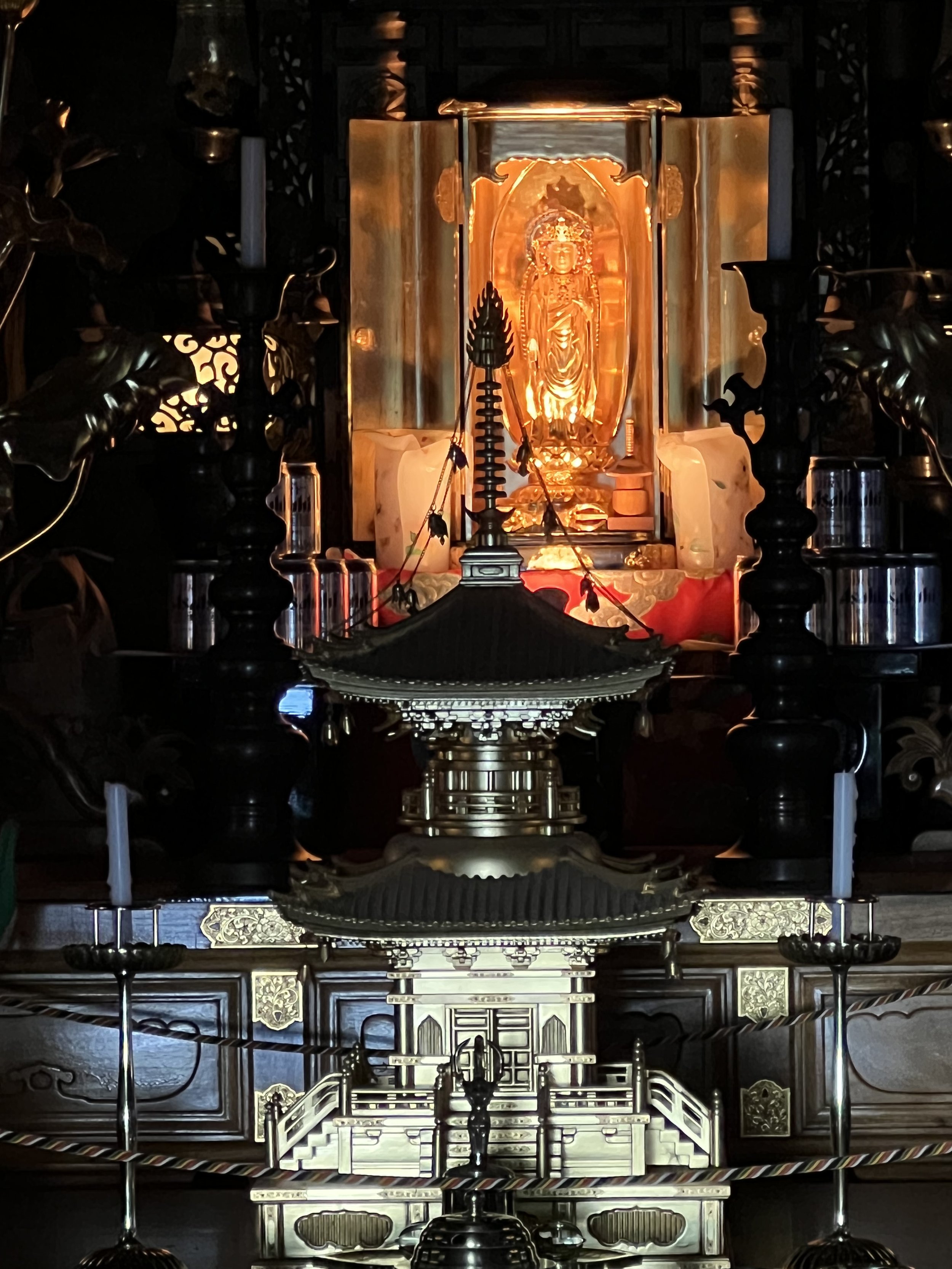
Temple 27 is at the top of a 4 km climb up a small mountain. The primary deity is Kannon, the bodhisattva of compassion, who is a guy in Tibet and a gal in China and Japan, and what’s not to love about that? It is the first place on the pilgrimage in which you climb without carrying your pack, and that is already a gift of compassion in itself. The mountain is wooded and rises directly up from the sea. This morning I got up early and went out to look at the water just at sunrise and the air smelled like winter. The climb up the mountain was mercifully cold. We have been baking in mid to upper 70s weather for days—last night’s sunset felt like a bright late Summer evening—and I was truly happy to be climbing in a long sleeved shirt in the newly arrived chill.
It’s not a difficult climb. It only took about an hour. But given that we have a short walk the rest of the day, I decided to walk much more slowly than I have had the opportunity to do. For the first time, it felt like a kind of walking meditation. I let Dave go off ahead and took my time, turning around to admire the light on the trees, the vast expanse of the ocean behind me, and the small flowers that are still in bloom here, even though we’re about to round the corner into November.
Today is an eclipse day in addition to a spiritual checkpoint day, so I guess it’s kind of a double spiritual checkpoint. And right on schedule, I had some serious checking in to do. In the spirit of non-dualism, it’s honestly been confusing for me to discern how to understand my ongoing uncertainty as I walk this pilgrimage and the difficulty I have had identifying my own intention. Channeling my teacher, I ask myself over and over again, what does this have to do with vow? Is this yet another extreme sports activity powered by will? If so, it’s clear that there is little to nothing to be gained for me in pushing on. Or is the very confusion itself the rich stuff of practice? Walking and not knowing is surely a sanctified activity, and, just as I have done in long sitting retreats, I remind myself that it is not necessary for me to figure out what the heck I am doing here. The point is to connect to vow, keep faith, and trust the practice.
So which is it, I asked Kannon this morning. Is this the place where I acknowledge that I no longer need to keep proving the force of my will? Or is this the place where I walk and don’t know and trust and keep faith in practice? if this is truly a kind of Bardo, I think we already know what the answer is. Confusion goes with the territory, and letting go is the only way forward.
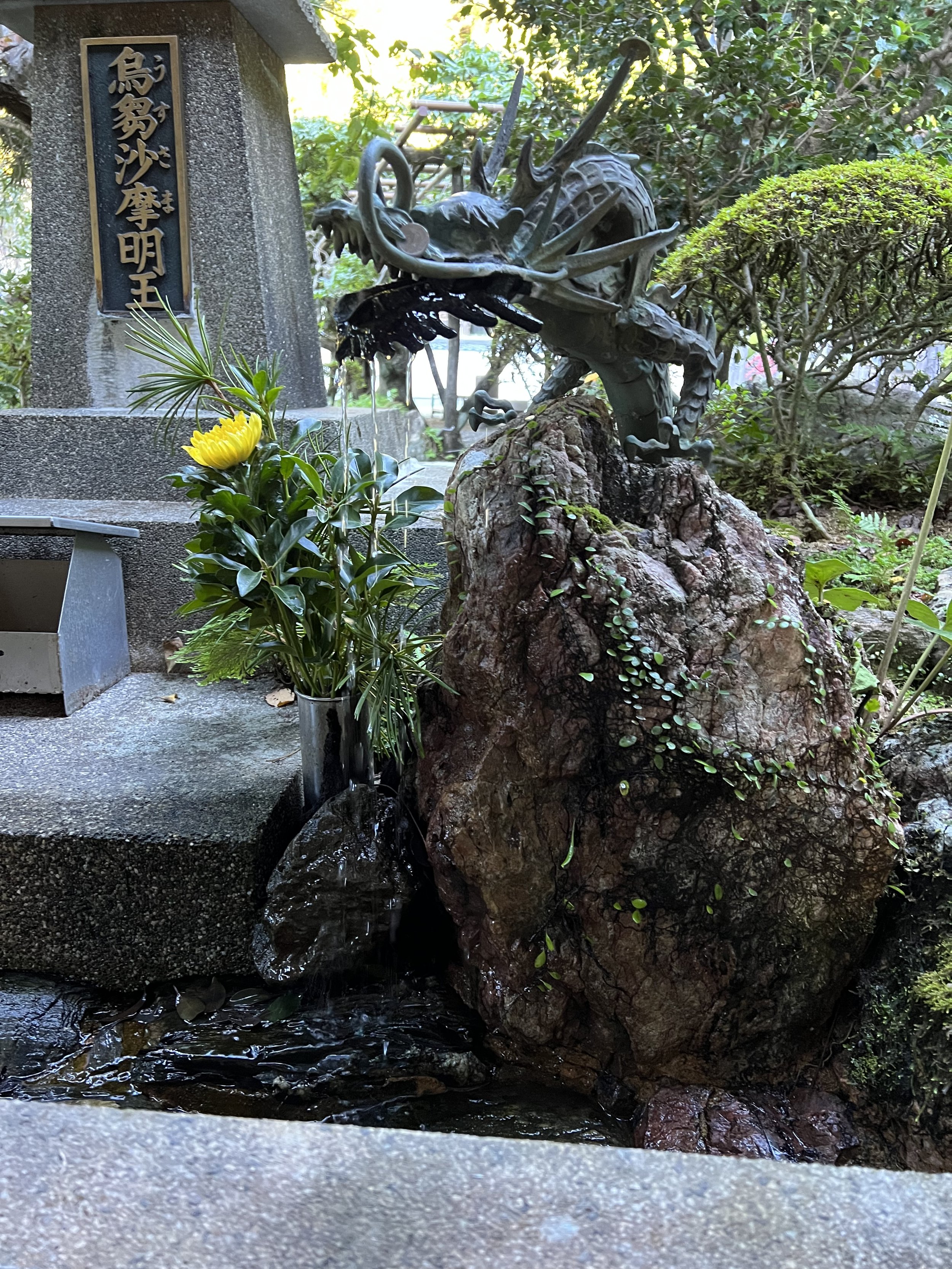
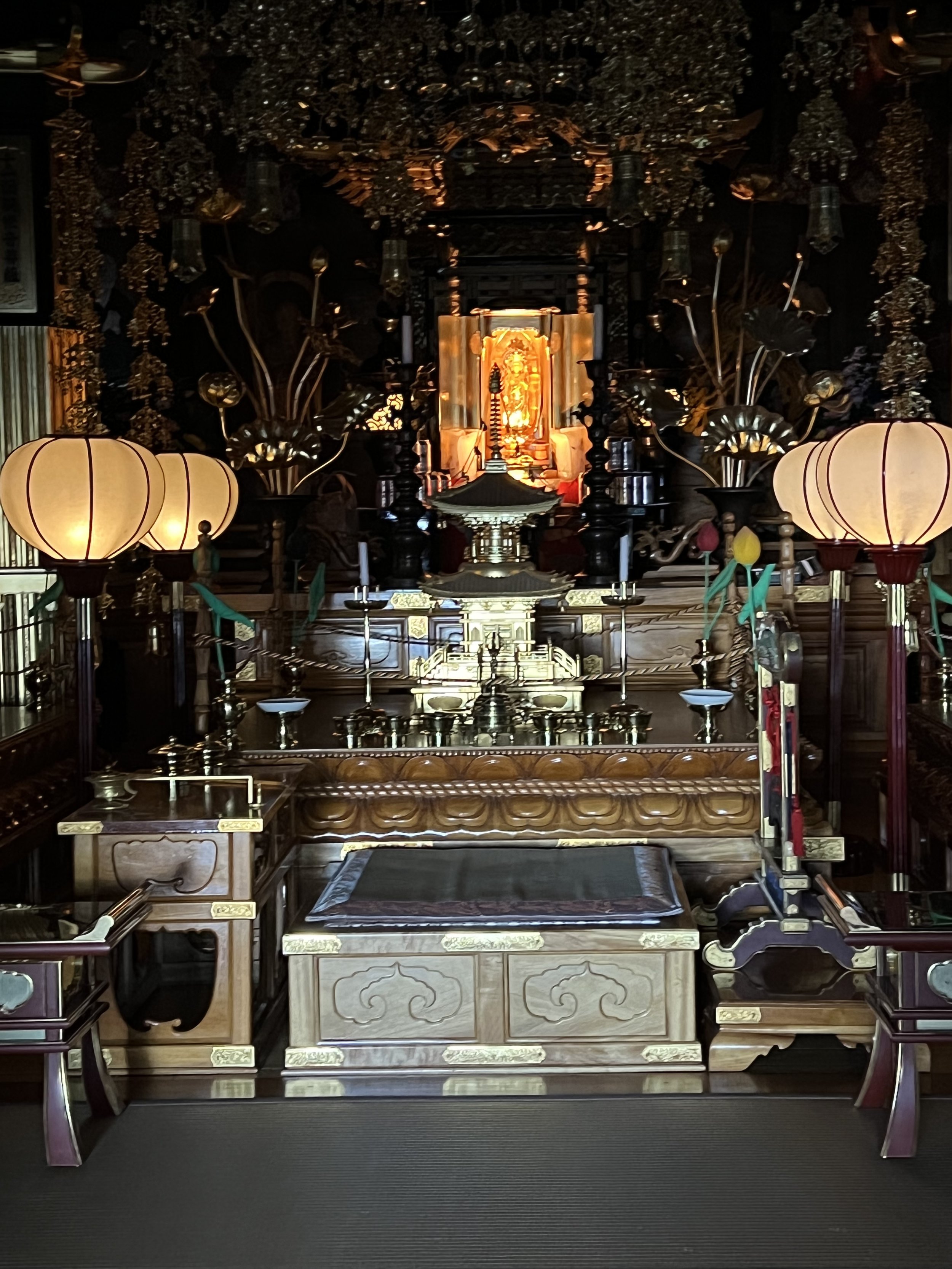
After the long walk up to temple 27, there are about 200 stairs waiting for you. For some reason this morning, I found this incredibly funny. It was nice to laugh, even though I’m not sure what exactly I was laughing about. I climbed up to the main hall, over which the bodhisattva of compassion resides in her 11-headed form.To get to her, I walked right past Kōbō Daishi in his guide form. Dave stopped and pointed at him, and said, somewhat uncharacteristically, there’s your real guide. I stopped and thought, now that’s actually a very helpful way of looking at things. I went to the main hall to chant the heart Sutra and stayed to chant the Dharani of great compassion, which we chant often, at least every other day, in Zen temples. It’s directed to Kannon. I found it incredibly helpful to connect with something from my own practice, in addition to the Heart Sutra of course, as a way of grounding into this experience as something other than a giant walking tour of the island of Shikoku.
I headed up to the Daishi hall to chant the heart Sutra to my “real guide,” and stayed a bit longer than usual to pay my respects. Of course, this being a spiritual checkpoint, I was hoping for some bolt of lightning to tell me which way to turn, but I don’t think at this point in my practice spiritual checkpoints work quite like that. I turned the knob to a little bit finer detail and listened. We had gotten up to the temple in half the time that Dave anticipated and so I told him that I was going to disappear for a bit and go explore.
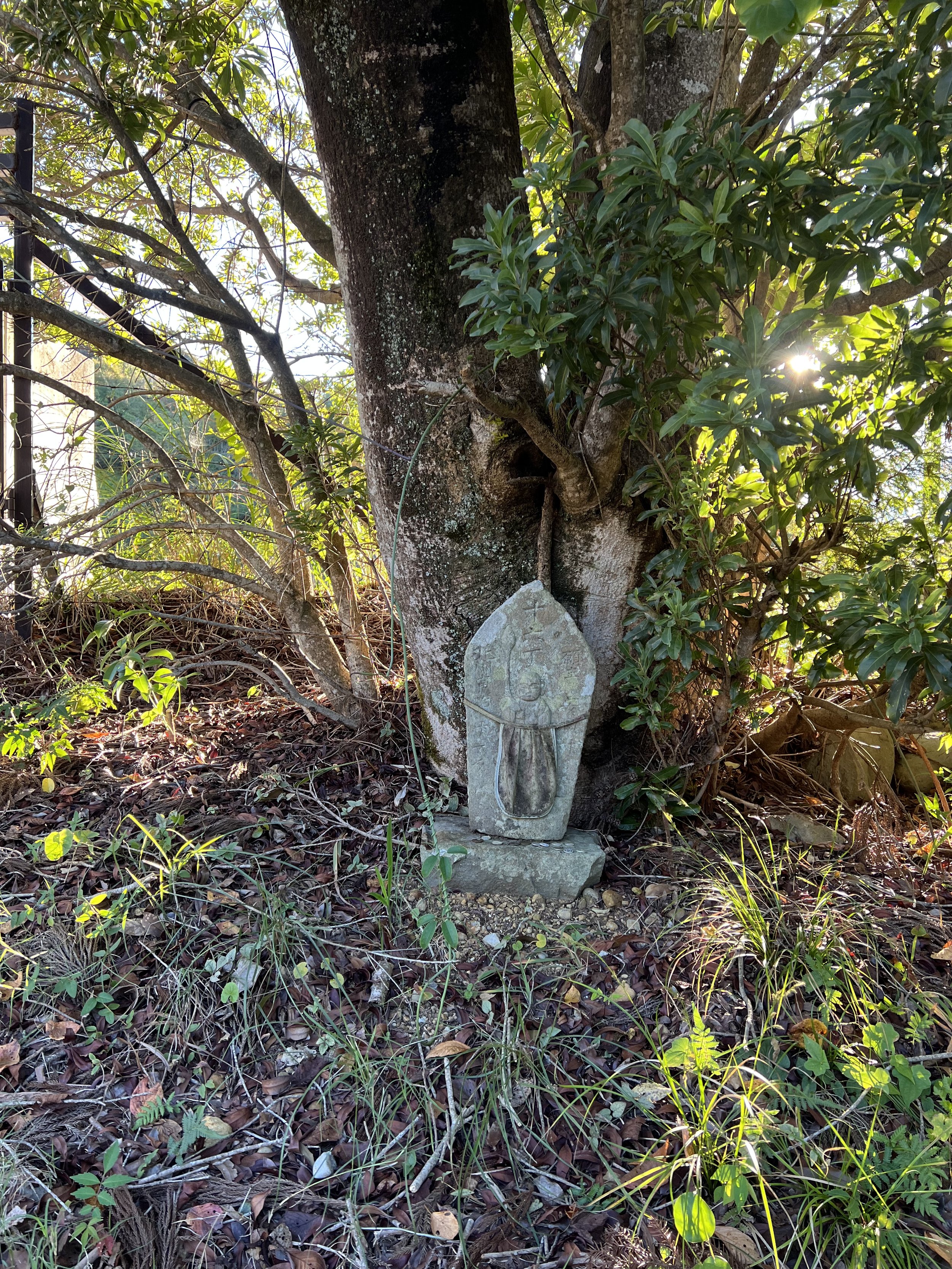
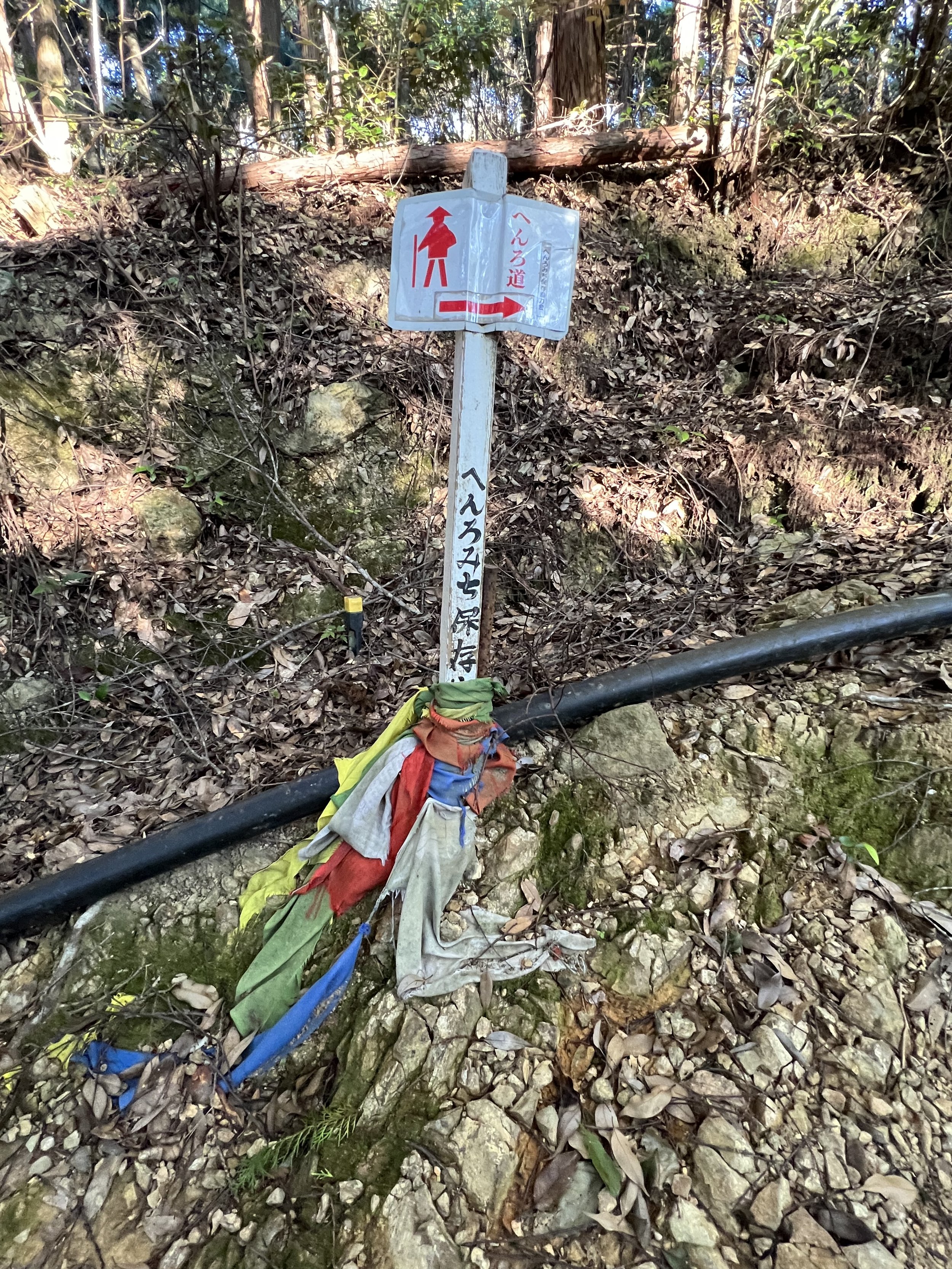
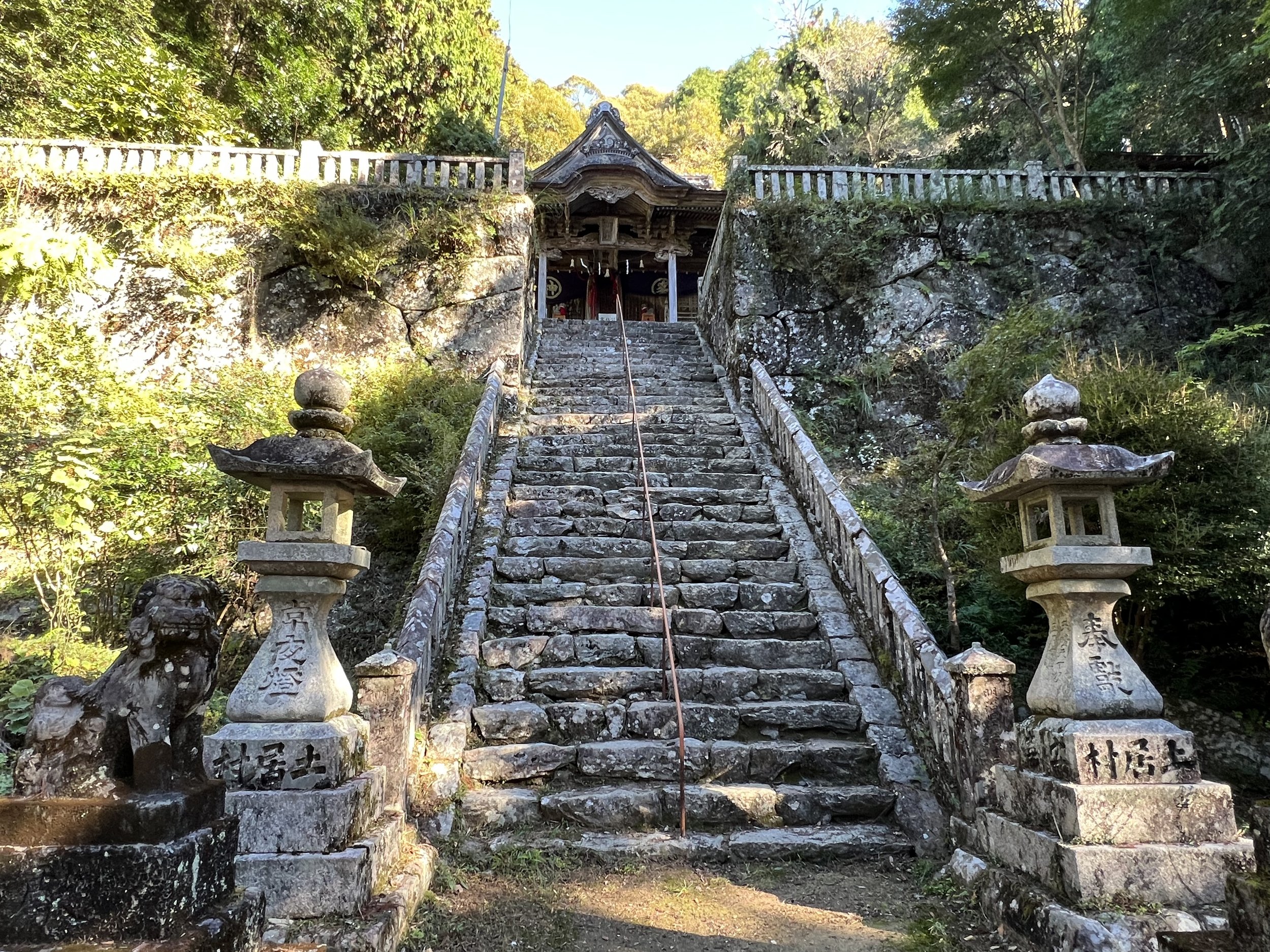
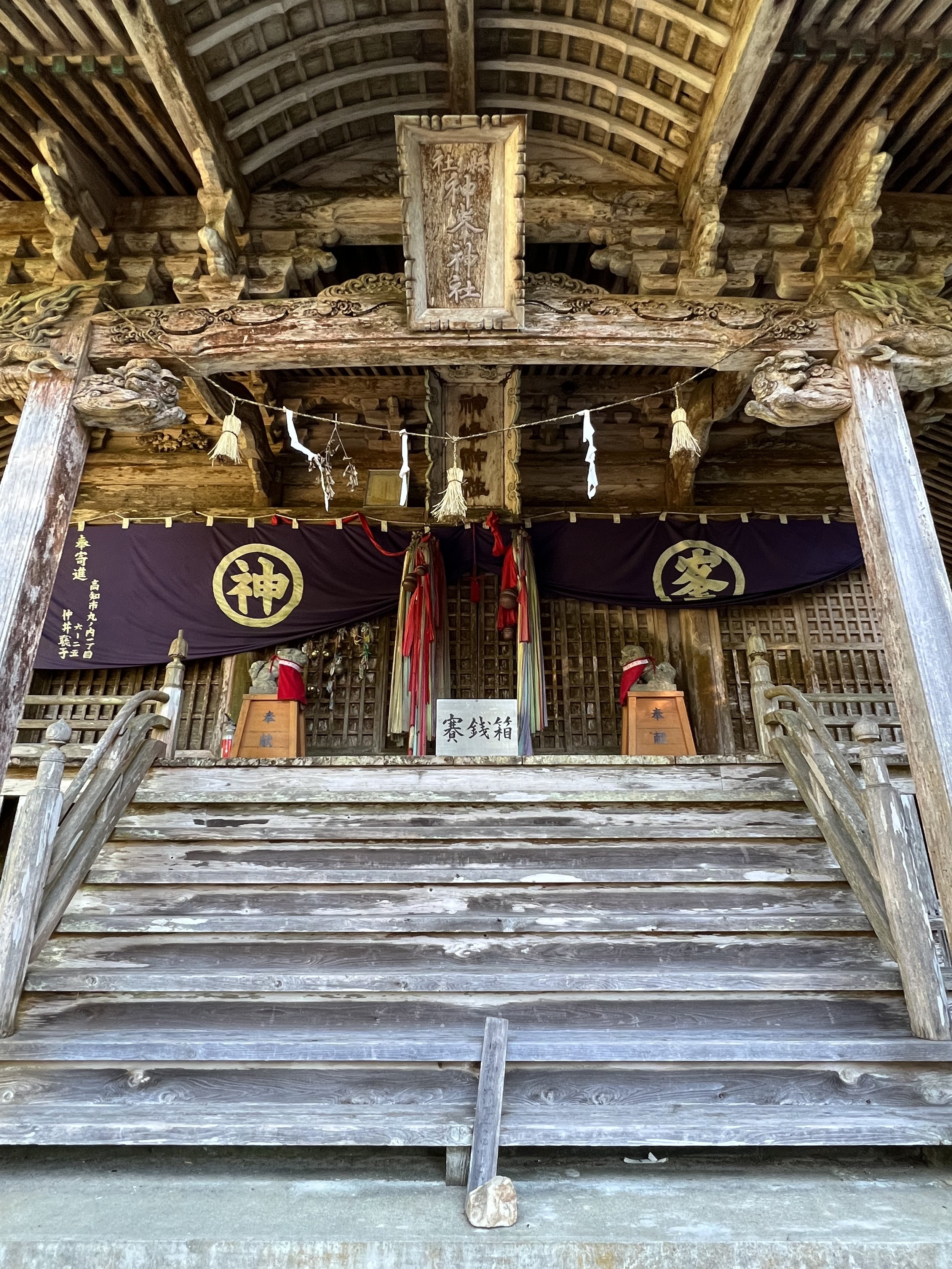
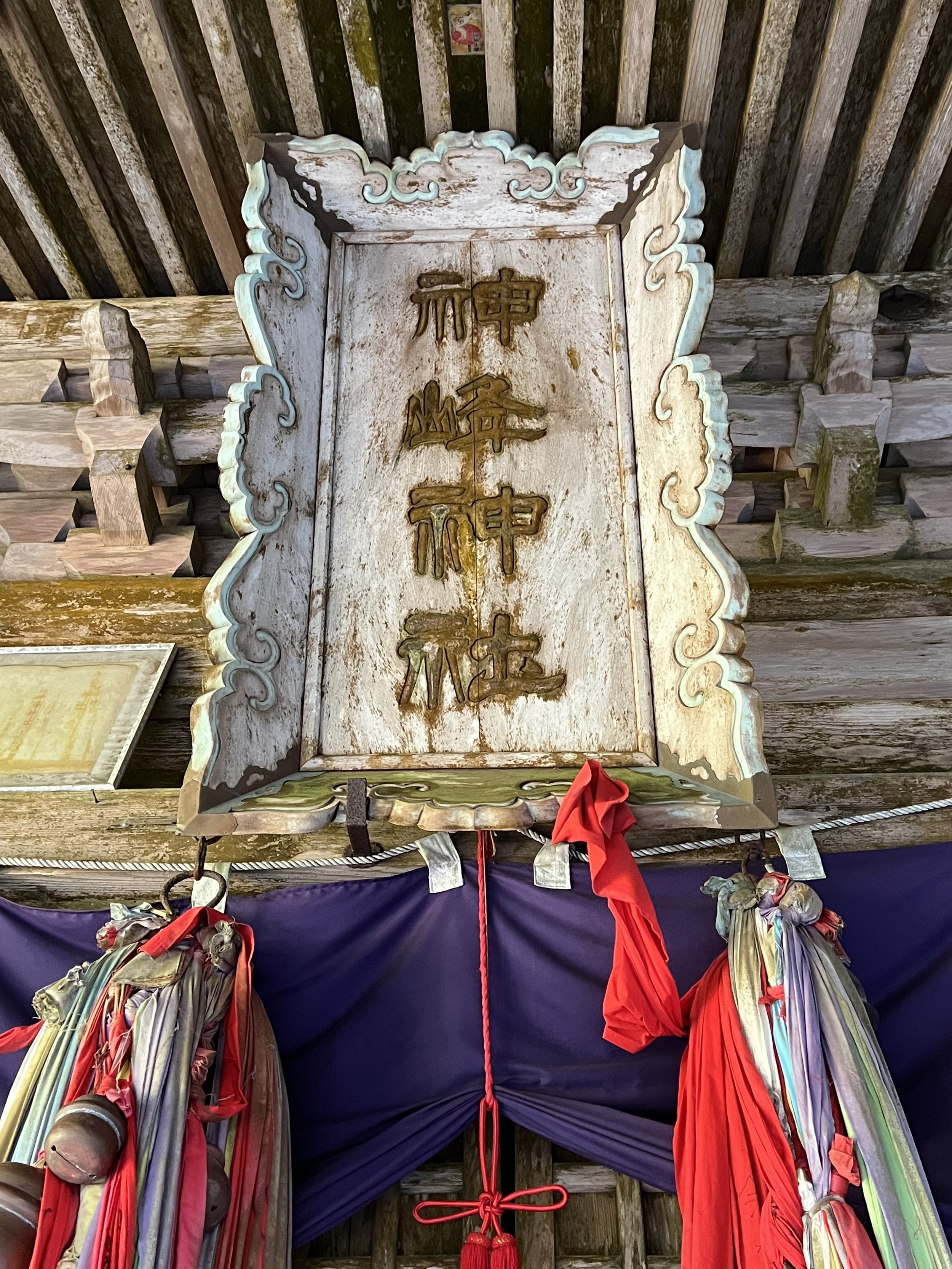
I knew that, as is often the case, there was a Shinto shrine, Konomine, right next to the temple, or nearby, and I had seen the signage on the way up the hill. I also knew from Dave that this shrine is abandoned, and yet I noticed that there was still plenty of signage. I took off up the mountain above the temple following signs to the shrine. I figured if I was going to ask for help from Kannon and Kōbō Daishi, it wouldn’t hurt to ask the Kami for help as well. I don’t know what happens in Shinto when they decommission a shrine, but I was pretty sure that I could feel the spirits of the trees and rocks still strong in this place.
The walk up to the shrine was full of spiders and, I don’t know if it’s the time of year or what, but it felt kind of Halloween spooky to me. Not totally my favorite thing, but I was following one of those invisible threads that tells you to keep walking. The shrine itself was very beautiful. At each of the buildings, it was clear that somebody was still tending to what needed tending to most, even though the grounds as a whole were overgrown and even the eaves of the temple were covered in moss. But the little stone lions guarding the entrance had tiny new red outfits on, and that suggested to me that this place was not entirely abandoned after all.
I practiced asking for help from the Kami as I did from Kannon and Kōbō Daishi. It was fairly clear right away that I was not going to get some immediate answer from my time at the spiritual checkpoint, but I sure did enjoy the opportunity to walk slowly, comparatively unburdened, and for much of the time, alone. I made sure to pause to listen and look and connect with presence in whatever form I could. I thought a lot about whether, in praying for some lessening of both physical and spiritual unease, I am looking for artificial comfort or asking for help and letting go. I’m not sure that it’s possible to see that from where I’m standing right now, but it was helpful to clarify the question in this form. You may be able to complete this walk with your will, I realized as I stood in the old shrine, but you cannot use your will to force a letting go. Maybe that is the most important reminder that the spiritual checkpoint could have given me today. That and the question of who, in fact, is my real guide.
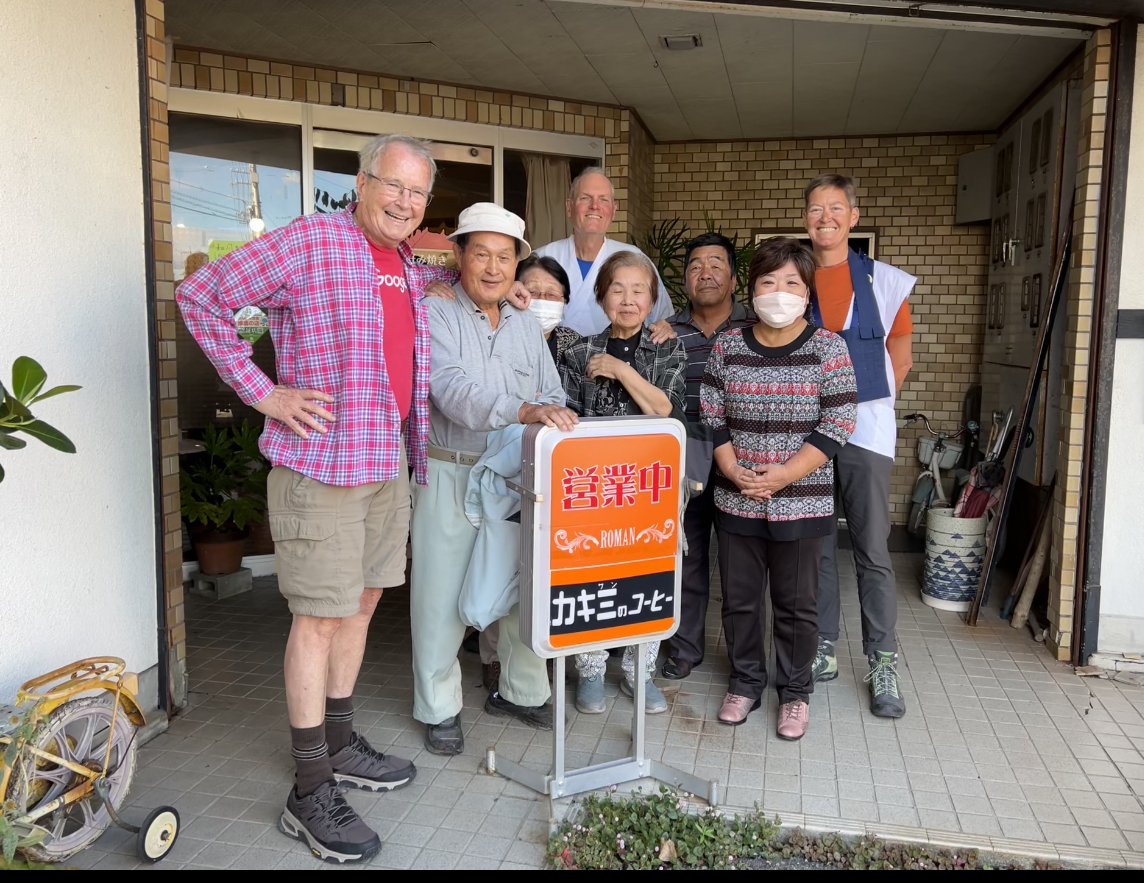
Our short walk today (accompanied by an old friend of Dave’s, who has lived here for many years) ended in the town of Aki. We couldn’t check in to our guesthouse until 4, so we had time to waste—a true luxury on this pilgrimage. We wandered into a small restaurant looking for coffee, and found a group of elderly Japanese ensconced in what is clearly a kind of coffee bar Cheers. To my amazement, the afternoon devolved into hours of quite astonishing Karaoke performances by the regulars, punctuated by hilarious laughter, a kind of betting pool about whether I was a boy or a girl, and a lot of advice about where we should eat dinner. It felt like the surface of the ice of this place cracked somewhere in the process. I’m chalking it up to the triple threat of Kōbō Daishi, Kannon, and those ever watchful Kami. The next spiritual checkpoint won’t be for another couple of weeks, so until then, I’ll let the real guides lead the way.









 Walking and Praying
Leave a reply to Carla F Cancel reply